Creating a well-designed outfit involves much more than choosing attractive fabrics or drawing stylish designs. A garment must be carefully cut, stitched, shaped and finished to achieve the desired appearance, comfort and fit. This entire process relies on garment construction, an essential part of fashion design that transforms creative ideas into wearable clothing.
For aspiring fashion designers, understanding garment construction techniques is important for developing practical skills and producing quality outfits. From taking accurate measurements to selecting suitable seams and applying professional finishing methods, every stage contributes to the final result.
Whether you are interested in designing everyday clothing, creating custom outfits or developing your own fashion collection, learning these fundamental techniques can help you build a strong foundation in garment making.
What Is Garment Construction?
Garment construction is the process of assembling fabric pieces and other components to create a finished item of clothing. It involves several stages, including measurement, pattern preparation, fabric cutting, stitching, fitting and finishing.
Each stage requires attention to detail. Even a creative design can lose its intended shape if the fabric is cut incorrectly or the seams are poorly constructed. Similarly, an outfit may look attractive but feel uncomfortable if the measurements and fitting are not accurate.
Garment construction connects the technical and creative sides of fashion design. It helps designers understand how different materials behave, how individual pieces fit together and how construction choices influence the appearance and durability of clothing.
1. Taking Accurate Body Measurements
Accurate measurements are the starting point for creating garments that fit properly. Designers need to understand body proportions before developing patterns or cutting fabric.
Common measurements include bust, waist, hip, shoulder width, armhole, sleeve length and garment length. The measurements required depend on the type of outfit being designed.
For reliable results, measurements should be taken using a flexible measuring tape while maintaining a natural posture. The tape should sit comfortably against the body without being pulled too tightly or left too loose.
It is also important to record measurements clearly and check them before drafting a pattern. Small errors can affect the fit of the finished garment, particularly around the shoulders, waist, hips and sleeves.
2. Pattern Making and Pattern Preparation
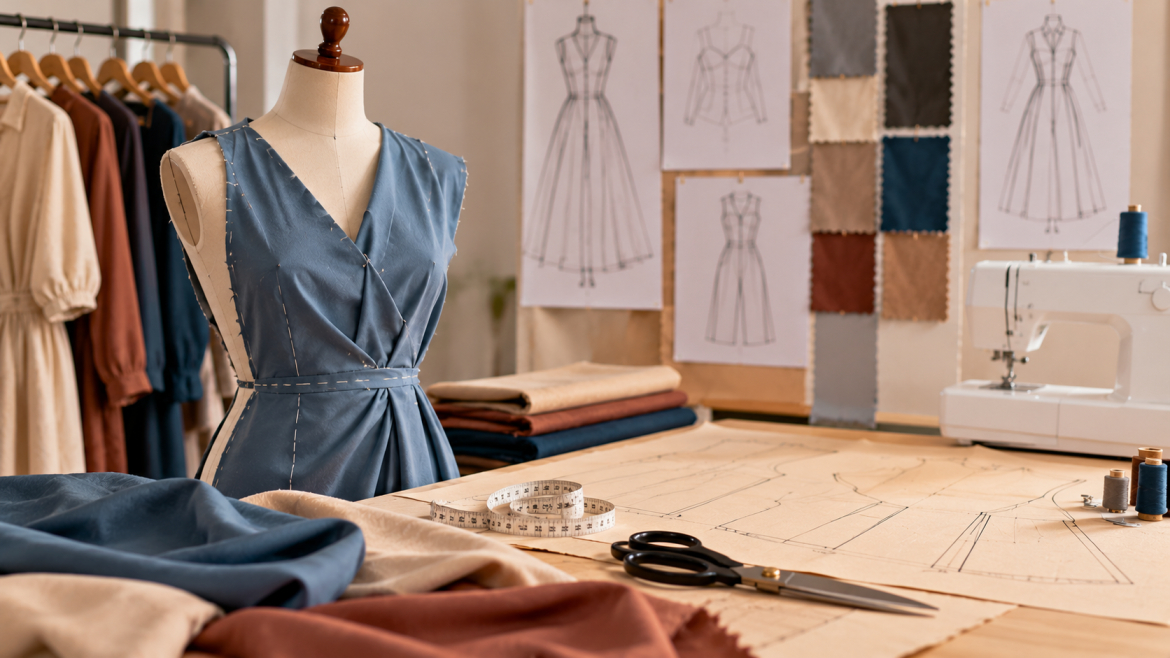
Pattern making involves developing templates that guide the cutting and assembly of garment pieces. These templates help translate measurements and design ideas into shapes that can be reproduced in fabric.
Designers may begin with a basic pattern and modify it to create different styles. For example, a basic bodice pattern can be adapted to develop different necklines, sleeve styles or waist shapes.
Before cutting fabric, the pattern should be checked for important details such as grainlines, notches, seam allowances and the correct placement of each piece. These markings help maintain alignment during construction.
Proper pattern preparation can also reduce fabric wastage and make the stitching process more organised. For complex designs, making a sample garment before using the final fabric can help identify problems early.
3. Fabric Selection and Cutting
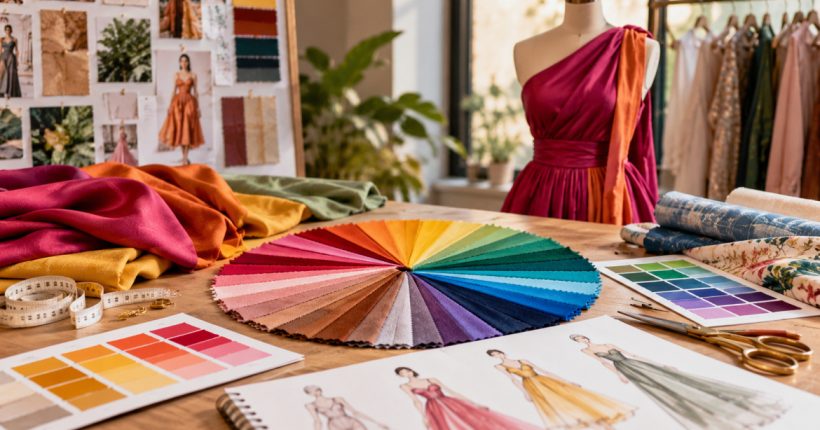
Choosing the right fabric is an important part of garment construction because materials differ in weight, stretch, texture, thickness and drape. These characteristics influence how a garment fits and behaves when worn.
For instance, lightweight fabrics may be suitable for flowing dresses, while firmer materials can help maintain the shape of structured jackets. Stretch fabrics may require different handling and construction methods from non-stretch woven materials.
Once the fabric has been selected, it should be prepared and positioned correctly before cutting. Designers need to follow the pattern markings and pay attention to the fabric grainline so that garment pieces hang as intended.
Accurate cutting is essential because uneven edges or incorrectly positioned pieces can create fitting and stitching problems later. Using suitable scissors or cutting tools and securing the pattern properly can improve precision.
4. Understanding Different Types of Seams
A seam joins two or more pieces of fabric together. Choosing the appropriate seam depends on the garment’s design, fabric type, expected wear and finishing requirements.
Some commonly used seam types include:
Plain seam: A basic seam used to join fabric pieces in many everyday garments, including shirts, dresses and skirts.
French seam: A finishing method that encloses raw fabric edges, making it useful for lightweight or delicate materials where a neat interior finish is desirable.
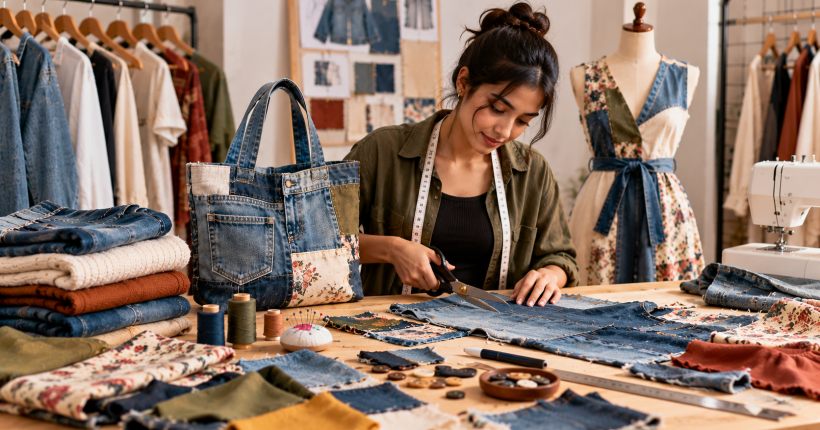
Flat-felled seam: A durable seam commonly associated with denim garments, workwear and shirts. It encloses raw edges and creates a strong finish.
Lapped seam: A construction method in which one fabric piece overlaps another. It can be useful in selected decorative or functional applications.
Curved seam: A seam that follows a curved line, such as those found in shaped bodices or princess-seam garments. Accurate marking and careful stitching help maintain the intended contour.
Learning to select and sew different seams helps fashion designers improve garment strength, appearance and comfort.
5. Stitching Techniques and Machine Handling
Stitching brings the cut fabric pieces together and gives the garment its structure. Designers need to understand how to operate sewing equipment, select suitable stitch settings and maintain consistent seam allowances.
Straight stitching is widely used for joining fabric pieces, while zigzag stitching can help finish edges or provide flexibility in certain applications. Stretch garments may require stitches that can accommodate movement without breaking.
Good stitching also depends on thread selection, needle choice, fabric thickness and machine tension. Incorrect settings may cause skipped stitches, puckering, loose threads or fabric damage.
Beginners should practise on fabric scraps before working on the actual garment. This allows them to adjust stitch length, test thread tension and develop control over straight and curved stitching.
6. Creating Neat Hems and Finishing Edges
Hemming is the process of finishing the lower edge of a garment or another exposed edge to achieve the desired length and appearance. A well-finished hem helps prevent fraying and gives the outfit a clean look.
Different garments may require different hemming methods. A narrow hem can suit lightweight fabrics, while a blind hem can provide a less visible finish on selected skirts, trousers and dresses.
Raw fabric edges can also be finished using techniques such as overlocking, binding or enclosed seams. The best method depends on the fabric, garment design and the level of durability required.
Consistent folding, accurate pressing and careful stitching are important for achieving an even finish. Small finishing details can make a noticeable difference to the overall quality of a garment.
7. Attaching Sleeves, Collars and Cuffs
Sleeves, collars and cuffs influence both the function and appearance of clothing. These components often require careful alignment and accurate construction to achieve the intended shape.
Sleeve attachment involves matching the sleeve to the armhole while managing the fabric correctly. Some sleeve styles require ease to create shape around the shoulder, while others are designed for a closer fit.
Collars need accurate placement and stitching to maintain their shape and sit correctly around the neckline. Cuffs must be measured and attached carefully to provide the intended fit around the wrist or sleeve opening.
Pressing during construction helps control fabric layers and improves the final appearance. Practising these techniques on simple garments can prepare beginners to work with more detailed designs.
8. Fitting, Alterations and Adjustments
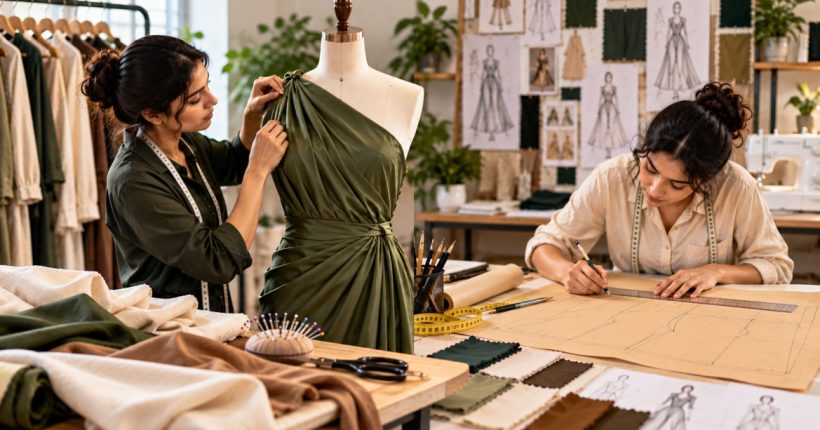
A garment can be constructed correctly but still require adjustments to fit the intended wearer. Fitting helps designers evaluate how the garment sits on the body, whether movement is comfortable and whether the proportions match the original design.
During a fitting, designers may check shoulder alignment, bust and waist ease, sleeve movement, garment length and the position of seams. They can then identify areas that need correction.
Common alterations include adjusting hems, taking in or letting out seams, modifying sleeve length and correcting shoulder fit. The appropriate adjustment depends on the cause of the fitting issue.
Making a sample garment or conducting a fitting before final construction is particularly helpful for complicated designs. It allows changes to be made before valuable or delicate fabric is used.
9. Pressing During Garment Construction
Pressing is an important step that helps shape fabric and improve the appearance of seams. It is different from simply moving an iron back and forth across the garment.
Designers often press seams after stitching, open or position seam allowances as required, and shape garment sections during construction. This helps reduce bulk and makes later assembly easier.
The correct temperature and pressing method depend on the fabric. Delicate materials may need lower heat or a pressing cloth, while some fabrics can tolerate higher temperatures.
Careful pressing can improve collars, cuffs, hems, darts and other constructed details. It also helps garments look more polished when they are ready for final inspection.
10. Quality Checking and Final Finishing
Before a garment is considered complete, it should be checked for construction quality and overall appearance. This final inspection helps identify issues that may have been overlooked during stitching.
Designers should examine seam strength, loose threads, uneven hems, fastening placement and visible stitching. They should also check whether the garment matches the intended measurements and design.
Buttons, zippers, hooks and other fastenings need to be secure and functional. The garment should also be checked for stains, pressing marks or damage caused during construction.
A final quality check helps ensure that the garment is ready to wear, display or deliver to a customer. Developing this habit encourages greater consistency and attention to detail.
Common Garment Construction Mistakes to Avoid
Beginners may encounter several challenges while learning garment construction. Recognising these problems can make the learning process easier.
- Incorrect measurements: Recheck body measurements and pattern dimensions before cutting fabric.
- Ignoring fabric properties: Choose construction methods that suit the material’s weight, stretch and texture.
- Cutting without checking the pattern: Confirm grainlines, notches and seam allowances before cutting.
- Inconsistent seam allowances: Follow the required allowance and maintain it throughout the seam.
- Skipping fitting checks: Test the garment’s fit before completing all finishing details.
- Neglecting pressing: Press seams and garment sections at appropriate stages.
- Rushing the final inspection: Check stitching, hems and fastenings before considering the garment complete.
Consistent practice and careful checking can help reduce these mistakes and improve the quality of finished garments.
Why Garment Construction Skills Matter in Fashion Design
Garment construction gives fashion designers the practical ability to turn sketches and concepts into finished clothing. It also helps them understand the limitations and possibilities of different fabrics, patterns and silhouettes.
These skills are useful in several areas of the fashion industry, including garment design, tailoring, sample development, apparel production, costume design and boutique businesses.
For people who want to develop their fashion design knowledge, learning through practical exercises can help connect theory with real garment-making tasks. Skill Haara offers fashion design learning opportunities for aspiring designers, with centres in Aluva, Thrissur and Trivandrum. Those interested in building their skills can explore the available programs to find an option that suits their interests and career plans.
Conclusion
Garment construction is a core part of fashion design that combines technical precision with creative thinking. Accurate measurements, pattern preparation, fabric cutting, stitching, seam selection, fitting and finishing all contribute to the quality of the final outfit.
Mastering these techniques takes time and practice. By starting with simple garments, learning from construction mistakes and gradually attempting more complex designs, aspiring fashion designers can build the confidence and practical knowledge needed to bring their ideas to life.