Fashion designing is one of the most exciting and creative career choices today. It combines imagination, technical knowledge, and practical skills to create clothing and accessories that reflect style, culture, and innovation. Whether you dream of becoming a fashion designer, launching your own clothing brand, or working with leading fashion companies, learning the basics is the first step toward achieving your goal.
This Beginner’s Guide to Fashion Designing Essentials is designed to help aspiring designers understand the key concepts of fashion design, the skills required, career opportunities, and how professional training can prepare you for success. If you are new to fashion, this guide will provide a solid foundation to start your learning journey with confidence.
What Is Fashion Designing?
Fashion designing is the art and process of creating clothing, accessories, and other fashion products. Designers combine creativity with technical knowledge to develop garments that are both attractive and functional.
Fashion designers work on:
- Casual wear
- Formal wear
- Bridal collections
- Children’s clothing
- Sportswear
- Traditional outfits
- Luxury fashion
- Accessories
The fashion industry offers a wide range of opportunities for creative professionals with different interests and talents.
Why Learn Fashion Designing?
There are many reasons why people choose fashion designing as a career.
Some of the major benefits include:
- Opportunity to express creativity
- Growing global fashion industry
- Diverse career options
- Entrepreneurial opportunities
- Flexible work environment
- Continuous learning and innovation
Fashion designing allows you to transform ideas into products that people wear and appreciate every day.
Beginner’s Guide to Fashion Designing Essentials: Skills You Need
One of the most important parts of this Beginner’s Guide to Fashion Designing Essentials is understanding the skills required to become a successful designer.
Creativity
Creativity is the foundation of fashion design. Designers must constantly develop fresh ideas that reflect changing trends and customer preferences.
Drawing and Sketching
Fashion illustration helps designers communicate their ideas before creating actual garments.
You do not need to be a perfect artist, but basic sketching skills are very useful.
Color Theory
Understanding how colors work together helps create visually appealing designs.
Students learn about:
- Color combinations
- Contrast
- Color harmony
- Seasonal palettes
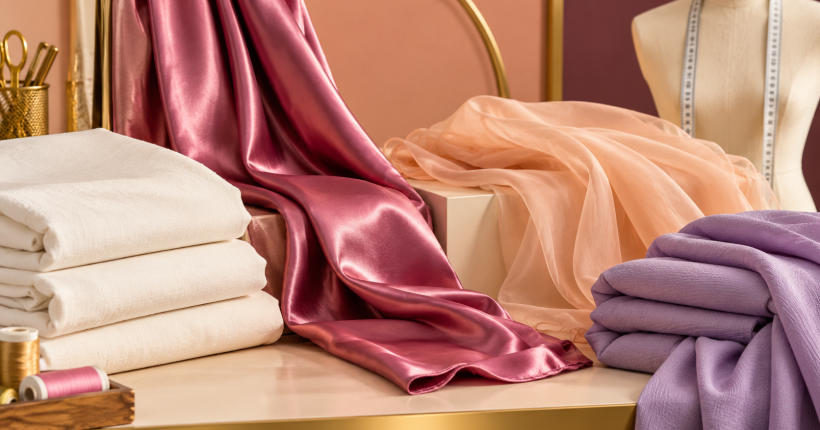
Fabric Knowledge
Different fabrics behave differently during garment construction.
Learning about fabrics helps designers choose materials suitable for each design.
Common fabrics include:
- Cotton
- Silk
- Linen
- Denim
- Polyester
- Wool
Pattern Making
Pattern making transforms design sketches into garment templates that can be stitched accurately.
It is one of the most important technical skills in fashion designing.
Garment Construction
Designers should understand sewing techniques and garment construction processes.
Practical training helps students learn:
- Stitching methods
- Seam finishes
- Fitting adjustments
- Garment assembly
Understanding Fashion Trends
Fashion changes every season.
Successful designers study:
- Consumer preferences
- Fashion shows
- Social media trends
- Celebrity styles
- Global fashion movements
Keeping up with industry trends helps designers create collections that appeal to customers.
Importance of Practical Learning
Fashion designing is a practical profession.
The Beginner’s Guide to Fashion Designing Essentials would not be complete without emphasizing the value of hands-on training.
Practical learning allows students to:
- Create garments
- Practice sketching
- Work with fabrics
- Develop sewing skills
- Build confidence
- Solve design challenges
The more you practice, the better your skills become.
Essential Tools for Beginners
Fashion design students commonly use:
- Sketchbooks
- Measuring tape
- Fabric scissors
- Sewing machine
- Dress forms
- Pattern paper
- Rulers
- Color pencils
- Fabric samples
Learning to use these tools correctly improves efficiency and accuracy.
Building a Fashion Portfolio
A portfolio is one of the most important assets for aspiring designers.
It showcases:
- Design sketches
- Fashion illustrations
- Mood boards
- Garment photographs
- Fabric selections
- Creative concepts
- Completed projects
A strong portfolio demonstrates your creativity and technical abilities to employers or clients.
Career Opportunities in Fashion Designing
Completing fashion design training opens many career opportunities.
Graduates may work as:
- Fashion Designer
- Assistant Designer
- Fashion Illustrator
- Textile Designer
- Fashion Stylist
- Costume Designer
- Fashion Consultant
- Boutique Owner
- Fashion Merchandiser
- Apparel Production Assistant
Some professionals also become entrepreneurs by launching their own fashion labels.
Common Challenges Beginners Face
Learning fashion designing can be exciting, but beginners may also face challenges.
Some common difficulties include:
- Lack of confidence
- Difficulty sketching
- Learning sewing techniques
- Understanding fabrics
- Building creativity
- Managing design projects
These challenges become easier with regular practice and professional guidance.
Tips for Beginners
If you are starting your fashion journey, these tips can help:
- Practice sketching every day.
- Observe current fashion trends.
- Study different fabrics.
- Learn basic sewing techniques.
- Visit fashion exhibitions.
- Read fashion magazines.
- Build your portfolio regularly.
- Accept constructive feedback.
- Keep learning new techniques.
- Stay creative and patient.
Small, consistent improvements lead to long-term success.
Choosing the Right Fashion Design Course
A beginner-friendly course should provide:
- Experienced instructors
- Practical workshops
- Industry-focused curriculum
- Portfolio development
- Modern design techniques
- Hands-on projects
- Career guidance
Learning in a structured environment helps students build confidence and professional skills.
Why Choose Skillhaara?
The quality of your training plays an important role in your future career. Learning from experienced mentors while working on practical projects helps beginners understand both the creative and technical aspects of fashion designing.
If you are looking for <a href=”https://skillhaara.com/” target=”_blank”>Skillhaara, the Best Fashion Designing Essentials Certificate Program in Trivandrum</a>, you can benefit from beginner-friendly learning, practical garment construction sessions, portfolio development, expert mentoring, and career guidance. The program is designed to help aspiring designers gain industry-relevant skills and prepare for successful careers in fashion.
The Future of Fashion Designing
Fashion continues to evolve with new technologies and changing customer expectations.
Emerging trends include:
- Sustainable fashion
- Digital fashion illustration
- 3D garment design
- Smart textiles
- Fashion e-commerce
- Personalized fashion
- Eco-friendly clothing
Designers who continuously update their skills will have excellent opportunities in the future.
Conclusion
This Beginner’s Guide to Fashion Designing Essentials shows that becoming a successful fashion designer requires creativity, technical knowledge, practical training, and continuous learning. By mastering the basics, practicing regularly, and building a strong portfolio, beginners can develop the confidence needed to succeed in this exciting industry.
Whether your dream is to work for a leading fashion brand, become a stylist, or start your own clothing business, choosing the right training program is the first step toward achieving your goals.
With practical learning, expert mentorship, and industry-focused training from Skillhaara, you can build a strong foundation and begin your journey toward a rewarding career in fashion designing.
FAQs
1. What is fashion designing?
Fashion designing is the process of creating clothing, accessories, and fashion products by combining creativity, technical skills, and knowledge of fabrics and garment construction.
2. Can beginners learn fashion designing?
Yes. Beginner-friendly courses are designed for students with little or no prior experience and teach the fundamentals step by step.
3. What skills are important for fashion designing?
Important skills include creativity, sketching, fabric knowledge, pattern making, garment construction, color theory, communication, and problem-solving.
4. Why is practical training important in fashion designing?
Practical training helps students apply theoretical concepts, improve sewing and design skills, create garments, and build professional portfolios.
5. What career opportunities are available after learning fashion designing?
Graduates can work as fashion designers, stylists, textile designers, fashion consultants, merchandisers, boutique owners, costume designers, or freelance professionals.
6. Why should I choose Skillhaara?
Skillhaara offers a beginner-friendly Fashion Designing Essentials Certificate Program with experienced mentors, hands-on workshops, portfolio development, practical learning, and career guidance to help students become confident and industry-ready fashion professionals.