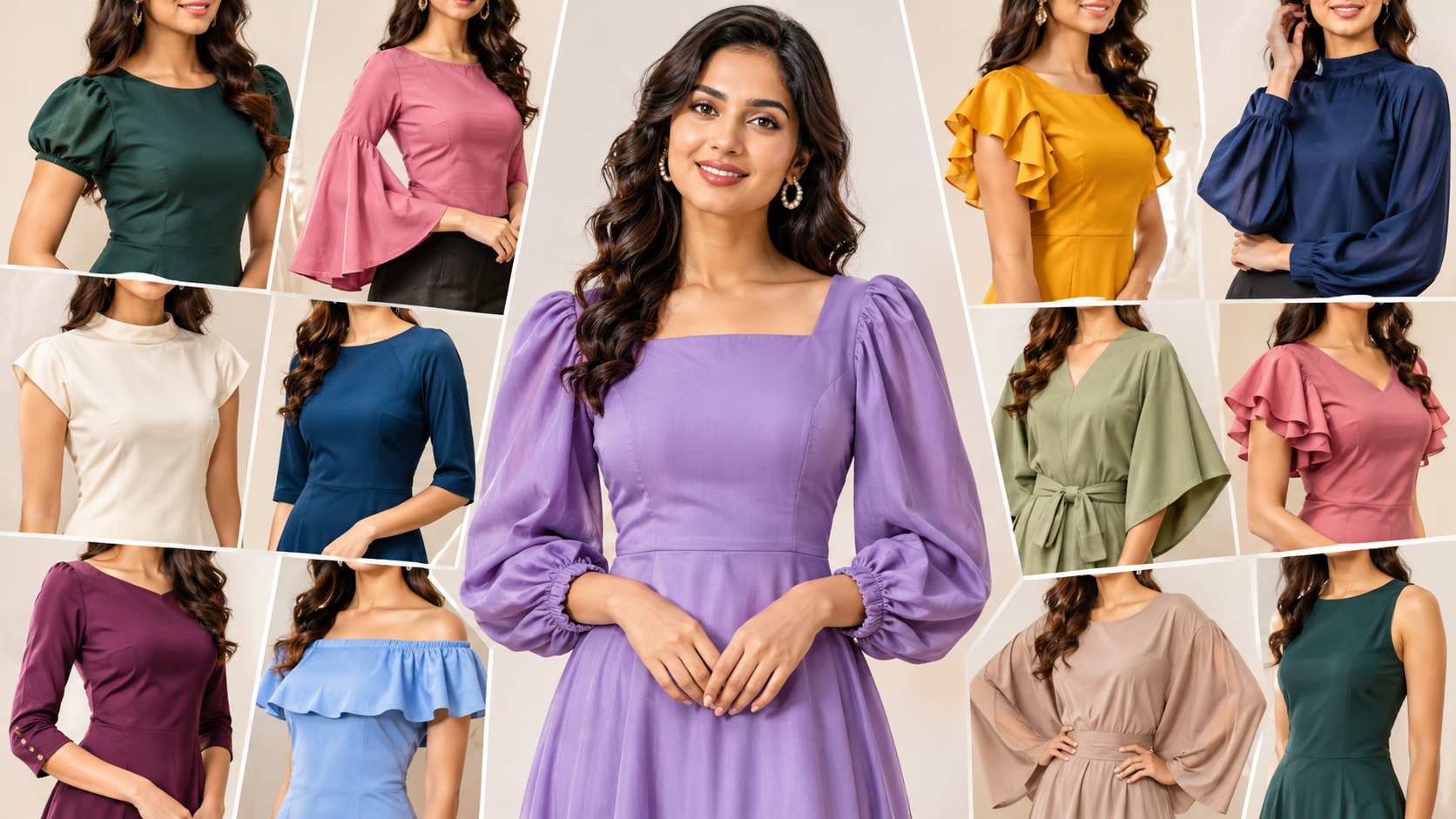
Sleeves are an important part of garment design. They influence the overall appearance, comfort and structure of an outfit. A simple change in sleeve length or shape can transform an ordinary garment into something more distinctive.
From classic straight sleeves to voluminous puff sleeves and flowing bell sleeves, designers have several styles to explore. Each type has its own construction method and works differently depending on the garment, fabric and intended silhouette.
Understanding different sleeve patterns helps fashion designers create garments that are both visually appealing and comfortable to wear.
What Are Sleeves in Fashion Design?
A sleeve is the part of a garment that covers some or all of the arm. It is attached to the armhole of a bodice and can be designed in different lengths, shapes and styles.
Sleeves serve both functional and decorative purposes. They provide coverage, influence movement and contribute to the overall design of a garment.
The choice of sleeve depends on factors such as clothing style, fabric properties, body measurements and the occasion for which the outfit is designed.
1. Set-In Sleeves
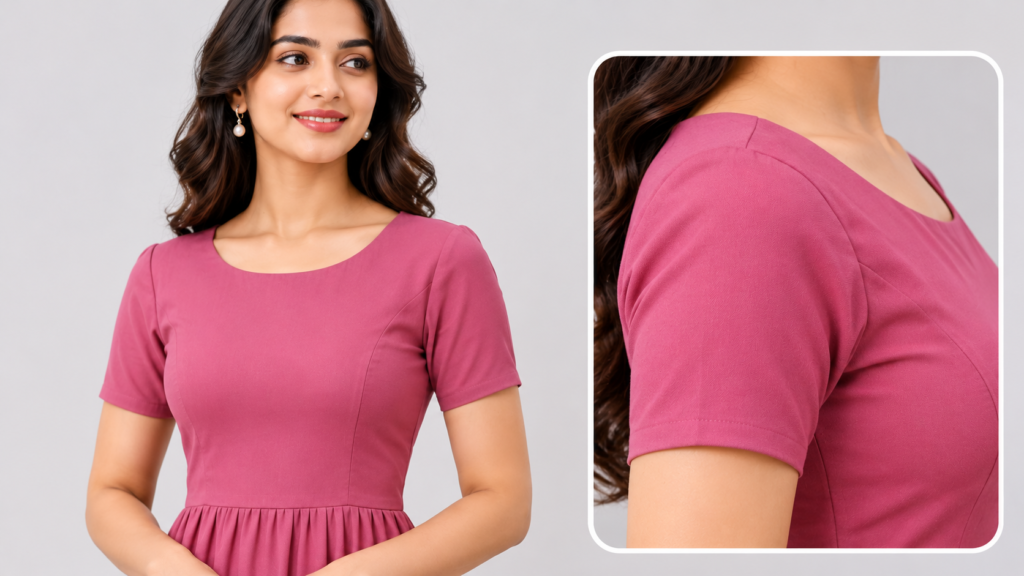
Set-in sleeves are among the most commonly used sleeve styles in clothing construction. They are attached to the garment through a shaped armhole seam, creating a defined shoulder line.
This style is frequently found in shirts, blouses, jackets, dresses and formal clothing.
The sleeve pattern needs to match the armhole measurement accurately. Proper stitching and fitting help create a neat shoulder shape without unwanted folds.
2. Puff Sleeves
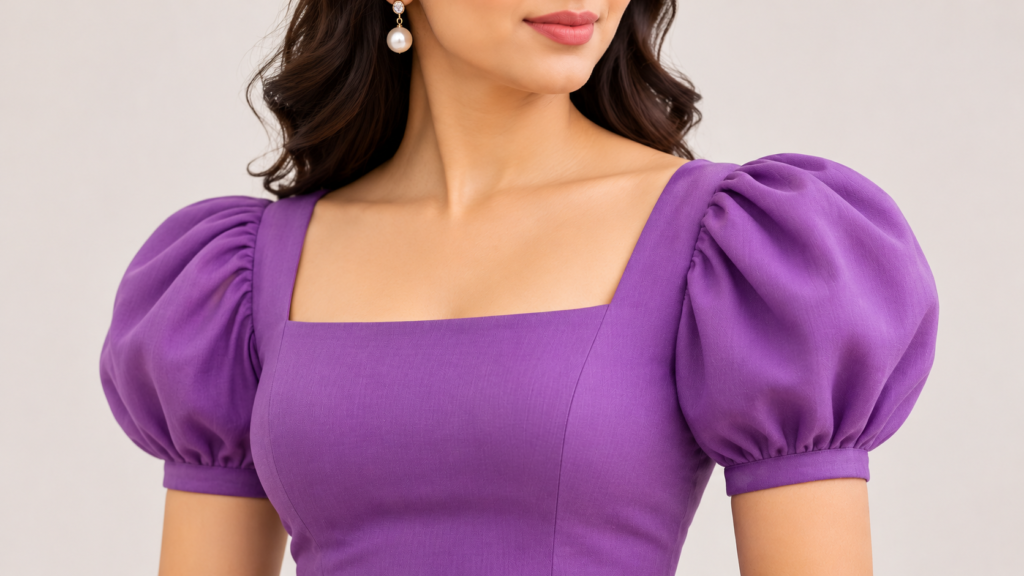
Puff sleeves are recognised by their gathered fullness, which creates a rounded appearance. The volume is usually formed by adding extra fabric around the sleeve head, the cuff or both areas.
These sleeves are popular in dresses, blouses, crop tops and traditional outfits. Their size can range from subtle gathers to dramatic rounded shapes.
Designers often use lightweight fabrics when creating soft puff sleeves. The amount of gathering and the position of the fullness determine the final shape.
3. Bell Sleeves
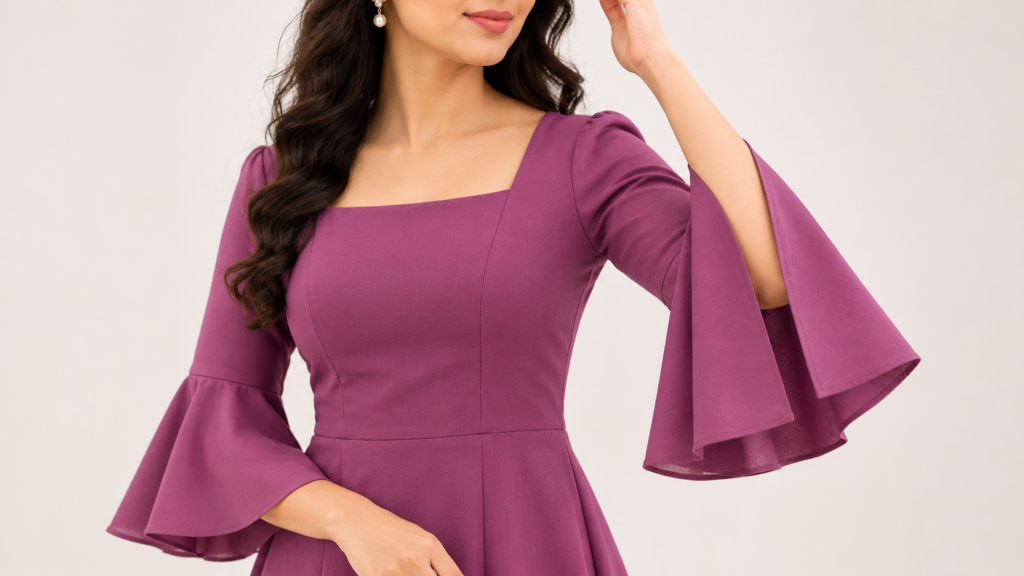
Bell sleeves are fitted or relatively narrow near the upper arm and gradually widen towards the wrist. Their flared shape resembles a bell, giving the garment a flowing appearance.
They are commonly used in dresses, tunics, tops and occasion wear.
The amount of flare can be adjusted according to the design. A slight opening creates a subtle effect, while a wider flare produces a more dramatic silhouette.
4. Bishop Sleeves
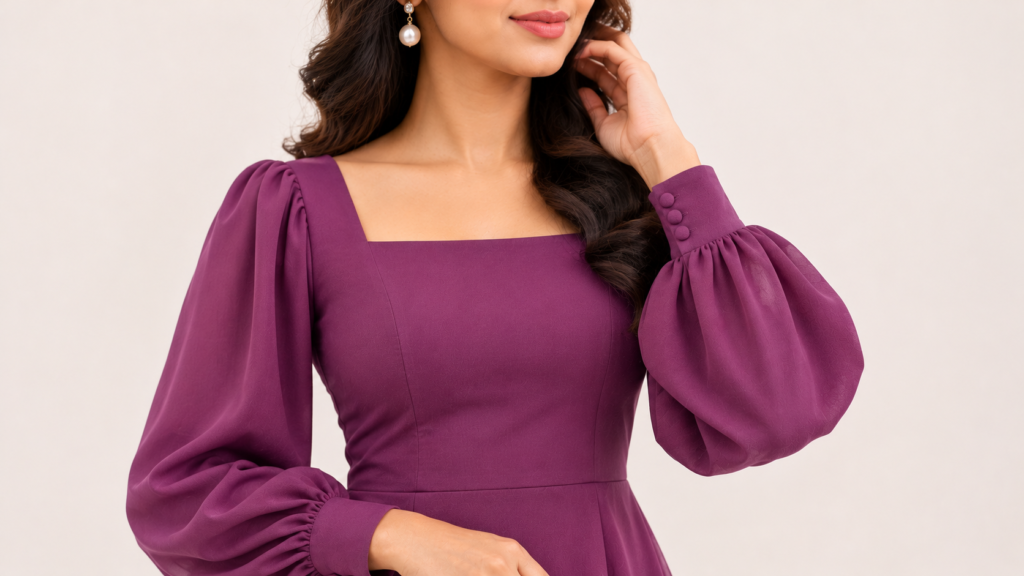
Bishop sleeves are long, loose sleeves that gather towards a fitted cuff. They have extra fabric through the length, creating soft folds and a slightly voluminous appearance.
This style is often used in formal blouses, dresses and elegant casual outfits.
The sleeve usually requires a wider pattern than a regular sleeve. Gathering near the wrist helps control the extra fabric and creates the characteristic shape.
5. Cap Sleeves
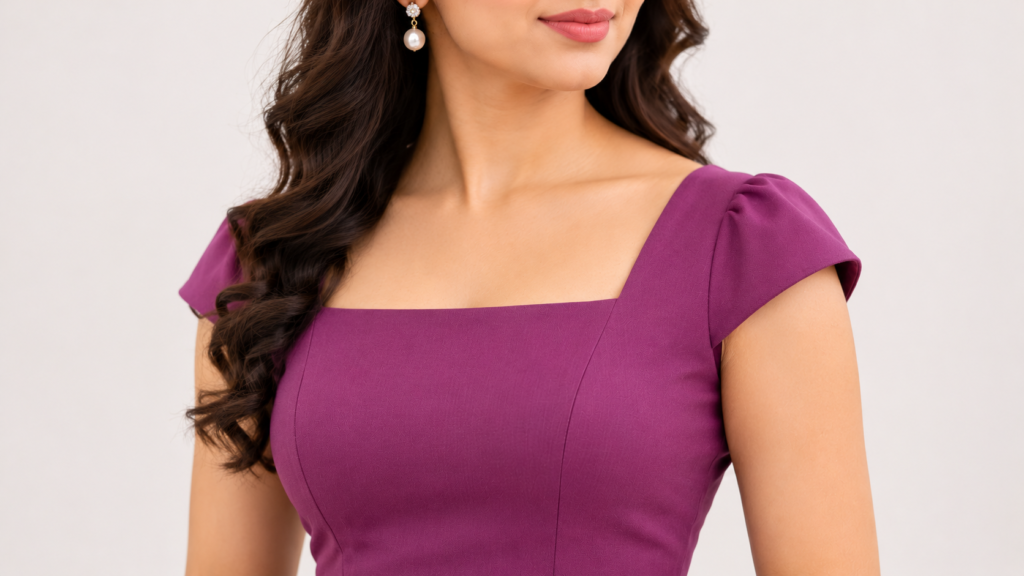
Cap sleeves are short sleeves that cover only a small part of the shoulder. They extend slightly over the upper arm without providing full arm coverage.
They are commonly used in summer dresses, blouses and fitted tops. Their compact shape gives garments a simple and clean appearance.
Cap sleeves are generally suitable for designs that need a little shoulder coverage without adding much fabric around the arm.
6. Raglan Sleeves
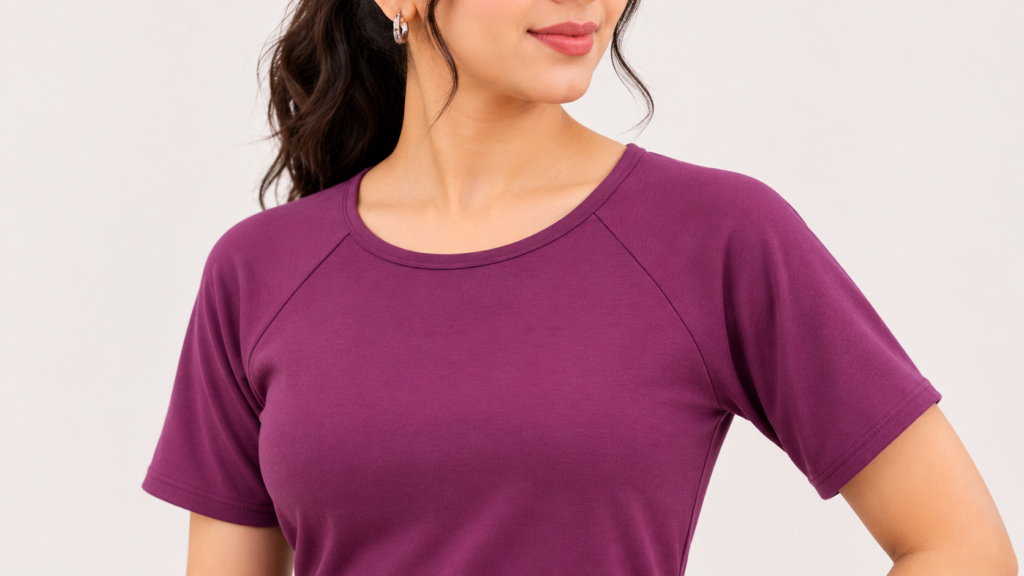
Raglan sleeves are designed with diagonal seams that extend from the neckline towards the underarm. Unlike traditional set-in sleeves, they include part of the shoulder area within the sleeve pattern.
This construction creates a distinctive seam line and allows greater freedom of movement around the shoulder.
Raglan sleeves are commonly seen in sportswear, casual tops, sweatshirts and jackets. They can also be used in everyday dresses and contemporary clothing designs.
7. Kimono Sleeves
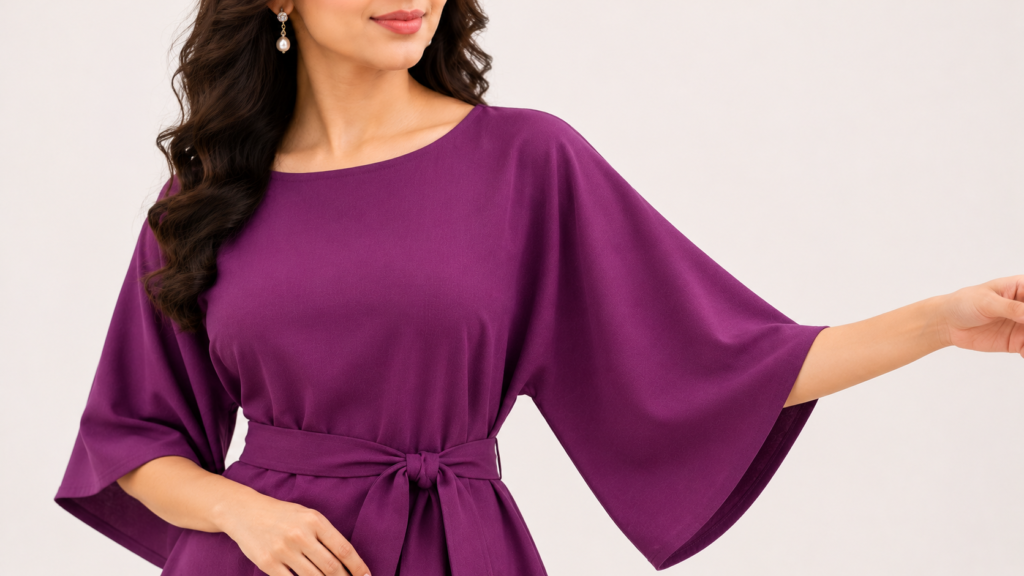
Kimono sleeves are usually cut as an extension of the bodice rather than being attached as a separate sleeve piece. They create a loose fit around the arm and shoulder area.
This style is inspired by traditional Japanese clothing and is widely adapted in modern tops, tunics, dresses and jackets.
Kimono sleeves are suitable for relaxed silhouettes. Their width and length can be modified to achieve different design effects.
8. Flutter Sleeves
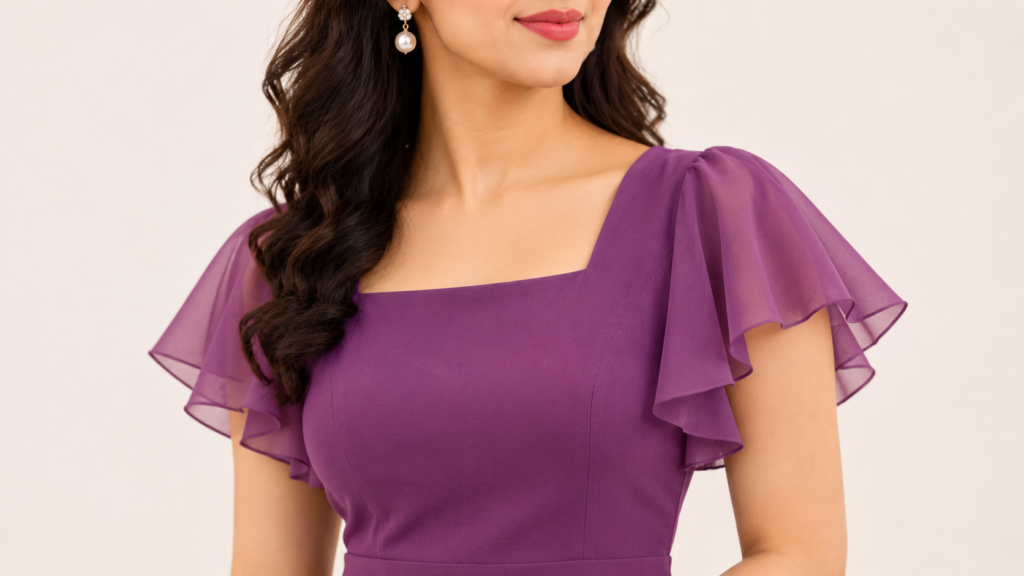
Flutter sleeves are short, loose sleeves that fall softly around the upper arm. Their flared construction creates a gentle movement whenever the wearer moves.
They are frequently used in summer dresses, blouses and feminine casual outfits.
Lightweight fabrics such as chiffon and georgette work well for this style because they allow the fabric to move freely. Designers can adjust the sleeve length and flare depending on the garment.
9. Three-Quarter Sleeves
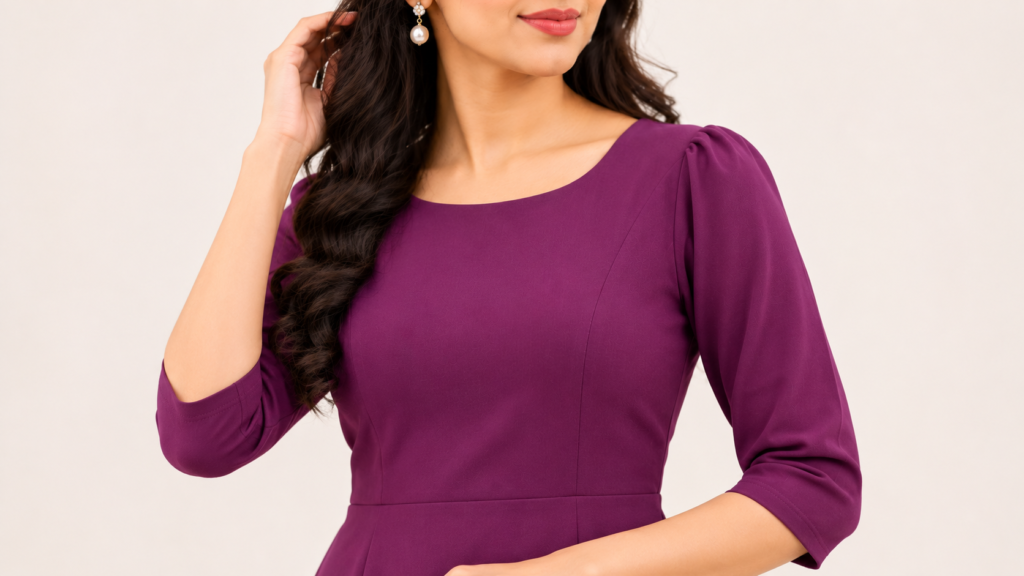
Three-quarter sleeves extend from the shoulder to a point between the elbow and wrist. They offer more coverage than short sleeves while leaving part of the forearm uncovered.
This style is commonly found in kurtis, dresses, blouses and formal tops.
Three-quarter sleeves can be designed with straight edges, fitted cuffs, buttons or small slits. Their versatile length makes them suitable for different types of everyday and formal clothing.
10. Off-Shoulder Sleeves
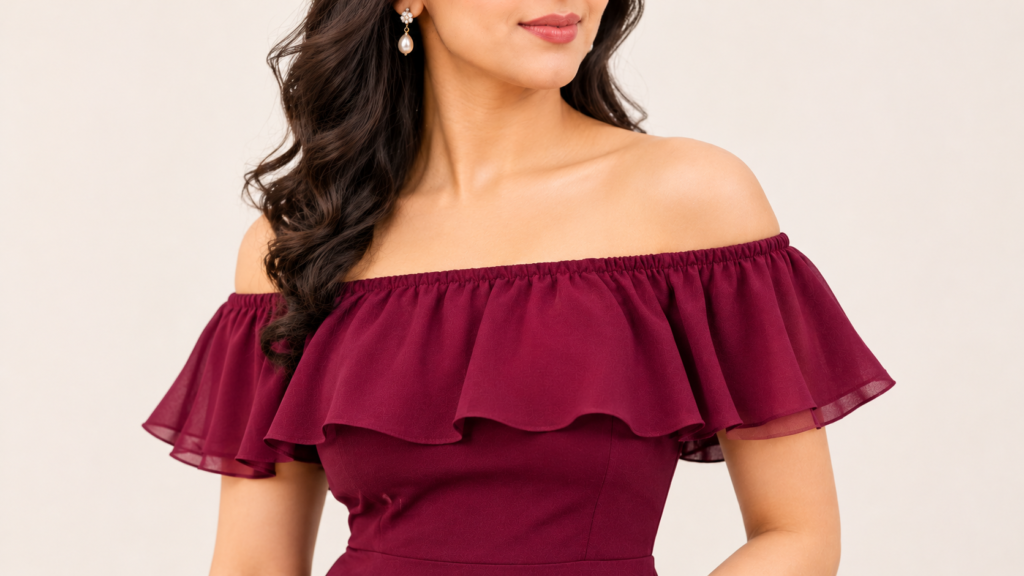
Off-shoulder sleeves are designed to sit below the shoulders, leaving the upper shoulder area exposed. They are often incorporated into dresses, tops and party wear.
Some designs use elastic or fitted bands to keep the neckline in position, while others include structured sections for support.
When developing this style, designers need to consider neckline construction, garment support and comfortable movement.
11. Batwing Sleeves
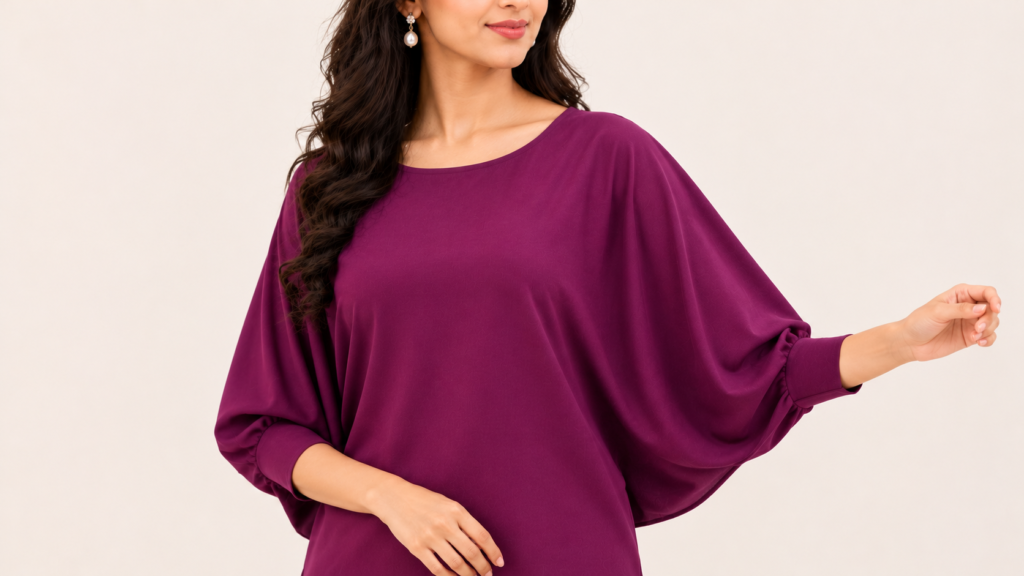
Batwing sleeves are characterised by a wide section around the underarm that gradually narrows towards the wrist. They are usually cut as part of the bodice, creating a loose and flowing shape.
This style is often used in tunics, oversized tops, casual dresses and relaxed clothing.
The extra fabric around the arm allows easy movement and gives the garment a distinctive silhouette. Fabric selection is important because the material influences how the sleeve falls.
12. Sleeveless Designs
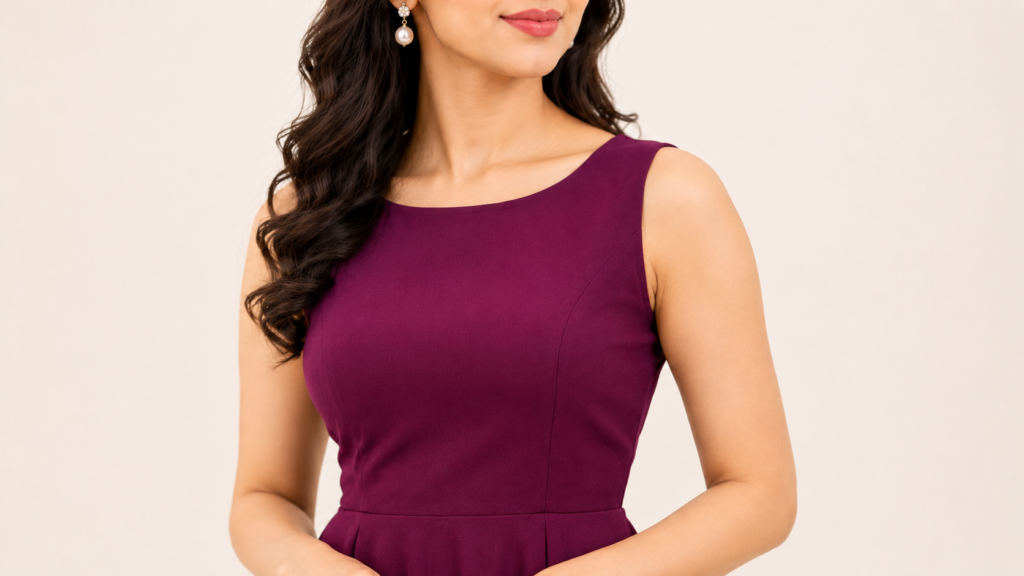
Although sleeveless garments do not have conventional sleeves, they are an important category in clothing design. The armhole is finished without attaching a separate sleeve piece.
Sleeveless designs are commonly used in dresses, tops, waistcoats and summer clothing.
The armhole needs accurate shaping and finishing to create a clean appearance. Designers may use facings or binding techniques to finish the edges neatly.
Factors to Consider When Choosing a Sleeve Style
Selecting a sleeve design involves more than choosing an attractive shape. Several construction and design factors influence the final result.
Garment Type: A sleeve suitable for a casual top may not work for a formal jacket. The design should complement the purpose and overall silhouette of the garment.
Fabric Selection: Lightweight fabrics can create flowing sleeves, while structured materials are more suitable for designs that need to maintain their shape.
Comfort and Movement: Sleeves should allow the wearer to move their arms comfortably. The armhole, sleeve width and length all influence mobility.
Body Measurements: Accurate measurements are necessary to achieve proper sleeve fitting. Designers should consider upper arm circumference, arm length and armhole depth.
Design Details: Cuffs, pleats, gathers, buttons, embroidery and other finishing elements can change the appearance of a sleeve.
How to Create a Sleeve Pattern
Sleeve pattern making is an important part of garment construction. The process depends on the sleeve style, but several basic steps are commonly followed.
- Take measurements: Record the arm length, upper arm circumference, wrist measurement and relevant armhole measurements.
- Prepare the pattern: Draw the basic sleeve shape using the required measurements and suitable pattern-making methods.
- Adjust the design: Modify the pattern to create the intended sleeve style, such as a puff, bell or bishop sleeve.
- Mark construction details: Add seam allowances, notches, gathering lines and other necessary markings.
- Cut the fabric: Position the pattern correctly according to the fabric grainline and cut the required pieces.
- Stitch and attach: Assemble the sleeve and attach it to the garment, checking that the armhole and sleeve measurements match.
- Check the fitting: Examine the sleeve for tightness, unwanted folds and movement restrictions before completing the finishing.
Making a sample sleeve before working on the final garment can help identify pattern or fitting problems.
Common Sleeve Construction Mistakes to Avoid
Even small errors during sleeve construction can affect the appearance and comfort of a garment. Some common mistakes include:
- Using incorrect armhole and sleeve measurements.
- Cutting the fabric without checking the grainline.
- Distributing gathers unevenly around the sleeve head.
- Making the sleeve too tight around the upper arm.
- Ignoring seam allowances during pattern preparation.
- Choosing a fabric that does not support the intended sleeve shape.
- Failing to match sleeve notches while attaching the sleeve to the bodice.
Careful measurements, accurate pattern preparation and proper stitching help avoid these problems.
Developing Practical Fashion Design Skills
Learning different sleeve styles helps aspiring designers understand how garment shapes are developed and constructed. It also introduces them to pattern modifications, fabric selection and fitting techniques.
Skill Haara provides fashion design training covering subjects such as fashion illustration, textile studies, pattern making, draping and garment construction. These areas help learners develop practical knowledge of clothing design and understand how different garment elements come together.
Students interested in learning fashion design can explore the training opportunities at Skill Haara.
Conclusion
Sleeves contribute significantly to the style, comfort and structure of a garment. From simple cap sleeves and set-in sleeves to voluminous puff sleeves and flowing bell sleeves, each design offers different possibilities.
Understanding sleeve patterns, measurements, fabric behaviour and construction techniques helps fashion designers create garments with better fitting and finishing. Practising these styles is a useful way to build technical knowledge and develop confidence in garment design.