Fashion offers far more career options than simply creating or wearing clothes. Behind every garment, campaign, photoshoot and fashion presentation are professionals working in different creative roles. Two careers that are often confused are fashion design and fashion styling.
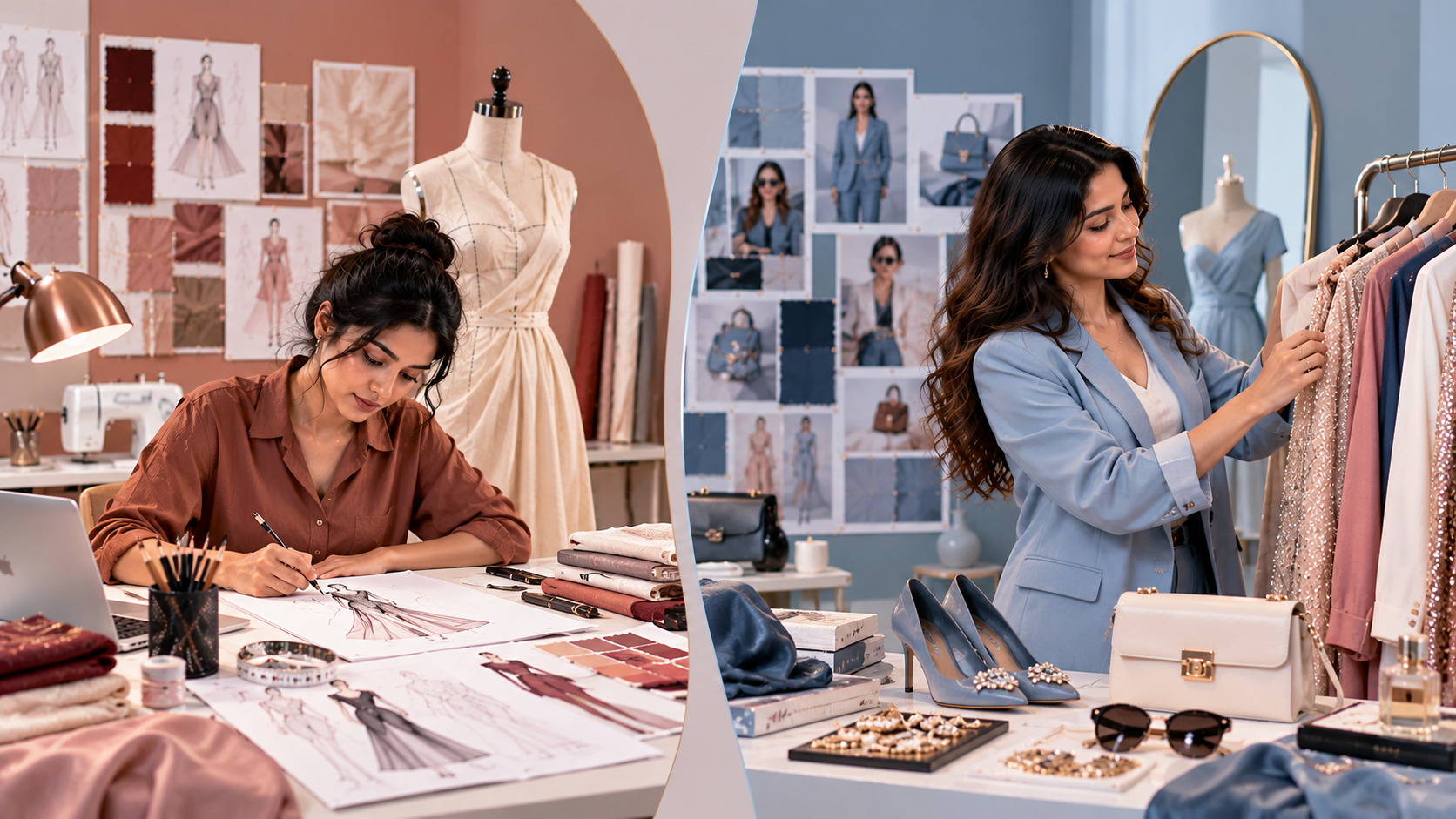
Although both fields are connected to clothing and visual creativity, the nature of the work is quite different. Fashion designers concentrate on developing garments, while fashion stylists focus on putting together finished looks that communicate a particular idea, mood or identity.
Understanding how these professions differ can make it easier to identify the type of fashion work that suits your interests.
Understanding Fashion Design
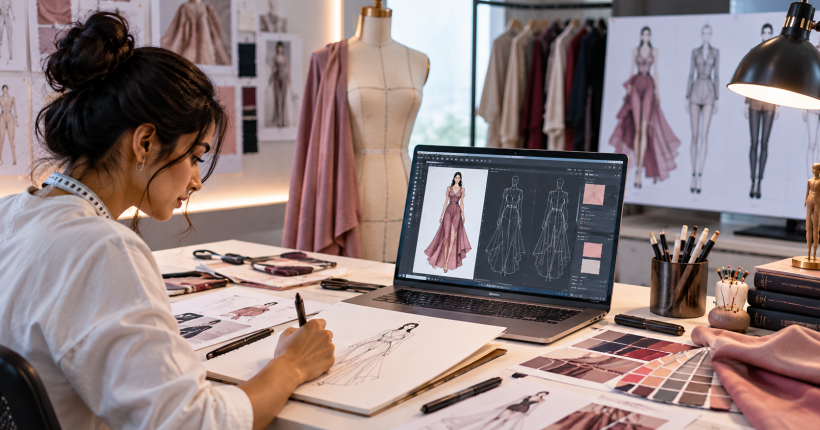
Fashion design is centred on the development of clothing and apparel. A designer can take an idea from the early concept stage and gradually turn it into a wearable garment or an entire collection.
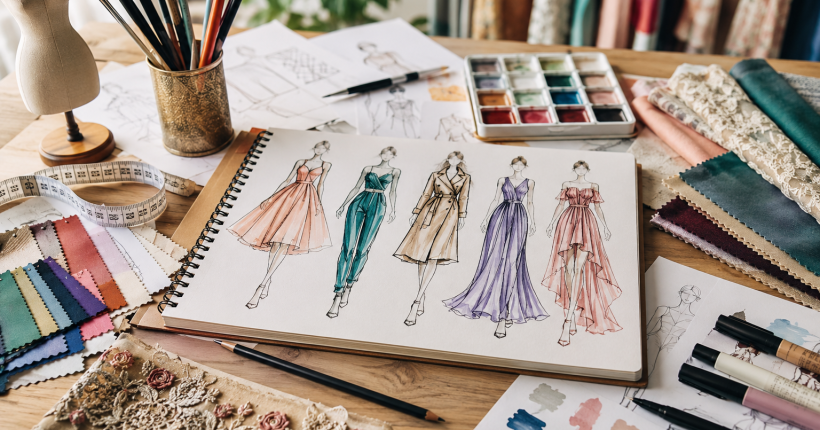
The process can include researching fashion influences, developing concepts, sketching designs, choosing suitable materials, creating patterns, testing samples and making adjustments to the final garment.
It isn’t only about having good creative ideas. Designers also need to understand how clothes are made and how different materials behave during construction.
Some important areas of fashion design include:
- Fashion illustration
- Pattern development
- Draping techniques
- Garment stitching and construction
- Fabric and textile studies
- Fashion CAD
- Embroidery and surface techniques
- Collection planning
- Portfolio development
Training in these areas can help students build both their creative abilities and practical garment-making skills. Skill Haara Fashion Academy, for example, includes areas such as illustration, pattern making, draping, garment construction, Fashion CAD and portfolio work within its fashion training approach.
What Does Fashion Styling Mean?
Fashion styling takes a different approach. Instead of producing the clothing itself, a stylist works with existing garments and accessories to create a particular overall appearance.
A stylist might select a dress, shoes, jewellery, bag and other elements for a photoshoot. The choices can change depending on the client’s personality, the campaign concept, the location, the target audience or the message a brand wants to communicate.
Styling can be part of many creative projects, including fashion photography, advertisements, editorial shoots, fashion shows, e-commerce campaigns and personal styling.
A stylist may be responsible for tasks such as:
- Choosing garments for a particular concept
- Combining clothing and accessories
- Developing visual references and mood boards
- Studying current fashion directions
- Preparing outfits for photography
- Working with models or individual clients
- Coordinating with photographers, makeup artists and hair professionals
- Turning a creative brief into a finished visual look
Good styling requires more than simply knowing what clothes are fashionable. A stylist needs to understand colour, proportion, balance, personal image and how individual pieces work together.
Fashion Design vs Fashion Styling: How Are They Different?
The easiest way to separate the two careers is to consider the main output of each profession.
A fashion designer develops the clothing, while a fashion stylist decides how clothing and other elements can be combined and presented.
Consider a fashion campaign featuring a new dress.
The designer may have developed the dress, selected its material, created the pattern and worked through the construction process. The stylist may then choose the footwear, jewellery and other pieces that surround the dress in the campaign.
The two professionals can work on the same project, but their responsibilities begin at different points.
What Work Is Involved in Fashion Design?
A designer’s responsibilities can start well before a finished product appears in a store or collection.
The initial stage may involve researching references, identifying a design direction and developing rough concepts. From there, the designer can create sketches and decide how the garment should be constructed.
Materials have to be considered carefully. The weight, texture, stretch and drape of a fabric can affect the final result. Patterns and samples may then be developed before the garment goes through fitting, testing and modification.
Depending on the position, designers can also interact with manufacturers, production teams, merchandisers, photographers and marketing professionals.
Fashion designers can build careers in areas such as:
- Apparel companies
- Fashion houses
- Garment manufacturing
- Boutique businesses
- Costume development
- Product development
- Independent fashion labels
- Freelance design
Some designers eventually use their skills to establish their own fashion labels or boutique businesses.
What Does a Fashion Stylist Do?
A stylist normally works from a visual concept, client request or creative brief.
For a magazine shoot, for example, the stylist may first understand the theme of the shoot and then source garments that fit the intended mood. The next step could involve combining different pieces, selecting accessories and making sure the complete outfit works visually.
Styling is also highly collaborative. Depending on the project, a stylist may communicate with photographers, models, designers, makeup artists, hairstylists, art directors and brand representatives.
Career areas within fashion styling include:
- Fashion photography
- Magazine and editorial styling
- Personal styling
- Celebrity styling
- Advertising campaigns
- Runway and fashion shows
- E-commerce styling
- Film and entertainment
- Brand and commercial campaigns
The exact responsibilities can vary considerably depending on the type of styling role.
Skills Required for a Fashion Design Career
Fashion designers need a mixture of artistic ability, technical knowledge and practical experience.
Fashion Illustration
Illustration allows designers to communicate an idea before the garment is produced. A clear sketch can help show the shape, proportions, details and overall direction of a proposed design.
Pattern Making
Patterns provide the structural foundation for many garments. Learning how measurements and shapes translate into pattern pieces helps designers turn concepts into wearable clothing.
Garment Construction
Knowledge of stitching, cutting, finishing and garment assembly gives designers a better understanding of what is possible during production.
Textile Understanding
Fabrics aren’t interchangeable. Cotton, silk, denim, linen, wool and synthetic materials can behave very differently. Knowing their characteristics helps a designer select materials that suit a particular garment.
Fashion CAD
Computer-aided design has become part of modern fashion workflows. CAD tools can be used for technical drawings, digital fashion illustrations and other design-related tasks.
Creative Problem-Solving
Designers often have to balance appearance with comfort, construction, cost and the needs of a particular customer. Creative thinking helps them find practical solutions without losing the original design concept.
Skills Useful for Fashion Styling
The skill set for styling is different, with greater emphasis on visual coordination and presentation.
Understanding Colour
A stylist needs to know how different colours interact and how combinations can change the mood of an outfit.
Awareness of Fashion Trends
Fashion changes constantly. Keeping track of new silhouettes, styling directions, designers and consumer preferences can help stylists create current and relevant looks.
Visual Balance
An outfit needs to work as a whole. A stylist considers proportions, textures, colours, accessories and other details rather than looking at each item separately.
Communication Skills
Styling frequently involves several people working toward one final result. Clear communication helps ensure that everyone understands the creative direction.
Product and Brand Knowledge
Knowing different clothing categories, footwear, accessories, fabrics and fashion labels makes it easier to source suitable pieces for a project.
Flexibility
A stylist may work on completely different projects from one day to another. A commercial advertisement, celebrity appearance and editorial shoot can each require a very different styling approach.
Is Fashion Design More Technical Than Fashion Styling?
Fashion design usually involves a larger technical component because the designer may need to work with patterns, measurements, fabrics, construction methods and production processes.
Fashion styling is generally more concerned with selecting, combining and presenting existing fashion pieces.
That doesn’t mean one career is entirely technical and the other is purely artistic. Both require creativity, fashion awareness, communication and practical experience. The amount of technical work also changes according to the specific job and specialisation.
Can You Work in Both Fashion Design and Styling?
Yes. The two fields can complement each other.
Someone trained in fashion design may already understand fabrics, garment proportions, construction and fit. That knowledge can be useful when developing styled outfits because the person can better understand how individual garments will look and behave.
A stylist can also move toward fashion design by learning pattern making, garment construction and other technical skills.
Having experience in both areas can provide a broader understanding of how clothing is created and eventually presented to an audience.
How Can You Decide Between Fashion Design and Styling?
Start by thinking about the part of fashion that interests you most.
If you enjoy sketching garments, working with fabrics, experimenting with construction techniques and developing clothing from scratch, fashion design may be an area worth exploring.
If you prefer putting outfits together, combining colours, selecting accessories, following trends and creating visual concepts, fashion styling may be more suitable for your interests.
Another useful question is whether you prefer creating the product itself or working with finished products to develop a particular presentation.
You also don’t have to make a permanent decision at the beginning of your education. Fashion is a broad industry, and many professionals eventually develop skills across more than one area.
Developing Your Fashion Skills Through Professional Training
For someone starting from the basics, organised fashion education can introduce the practical and creative areas needed to understand the industry.
At Skill Haara Fashion Academy, fashion programs cover areas such as fashion fundamentals, illustration, pattern making, draping, garment construction, textiles, Fashion CAD, styling, fashion marketing and portfolio development.
The training approach also includes practical studio work, design projects, industry exposure and professional mentorship as part of its fashion programs.
Skill Haara has learning centres in Trivandrum, Thrissur and Aluva, giving students in these locations access to its fashion-focused programs.
Career Options After Fashion Training
Fashion education can lead to a range of career directions. The exact role you pursue will depend on your training, portfolio, practical experience and area of interest.
Possible career paths include:
- Fashion Designer
- Fashion Stylist
- Fashion Illustrator
- Apparel Designer
- Fashion Consultant
- Fashion Merchandiser
- Costume Designer
- Fashion CAD Designer
- Product Development Executive
- Boutique Owner
- Fashion Entrepreneur
Skill Haara Fashion Academy also identifies career opportunities such as fashion designer, fashion stylist, apparel designer, fashion illustrator, fashion consultant, merchandiser and Fashion CAD designer among the areas students can explore.
Fashion Design or Fashion Styling: Which One Fits You?
Fashion design and fashion styling share the same industry but approach clothing from different angles.
Fashion design is primarily about creating garments, from developing an initial concept to working on materials, patterns, construction and the finished product.
Fashion styling is primarily about creating a complete visual presentation, using clothing, accessories and other elements to communicate a particular style or concept.
The right direction depends on the kind of work you enjoy. Someone who likes making garments and solving construction problems may find greater interest in design. Someone who enjoys coordinating outfits, experimenting with visual combinations and developing looks may prefer styling.
Whichever route you explore, practical work can make a major difference. Building projects, developing a strong portfolio and gaining hands-on experience can help you understand the profession beyond what you learn in theory. Structured fashion design training can also help beginners build a foundation before entering the wider fashion industry.