Indian embroidery is known for its intricate patterns, decorative details and skilled craftsmanship. From colourful floral motifs on traditional blouses to elaborate metallic designs on bridal garments, embroidery adds texture and individuality to clothing. Among the popular techniques used in Indian fashion are Maggam work, Aari work and Zardozi, each associated with distinctive materials, methods and visual effects.
Although these techniques can sometimes appear similar, they differ in how the embroidery is created, the materials involved and the finish produced. Understanding these differences is useful for fashion students, aspiring designers, boutique owners and anyone interested in garment embellishment. This guide explores the characteristics, applications and practical aspects of all three techniques.
What Is Maggam Work?
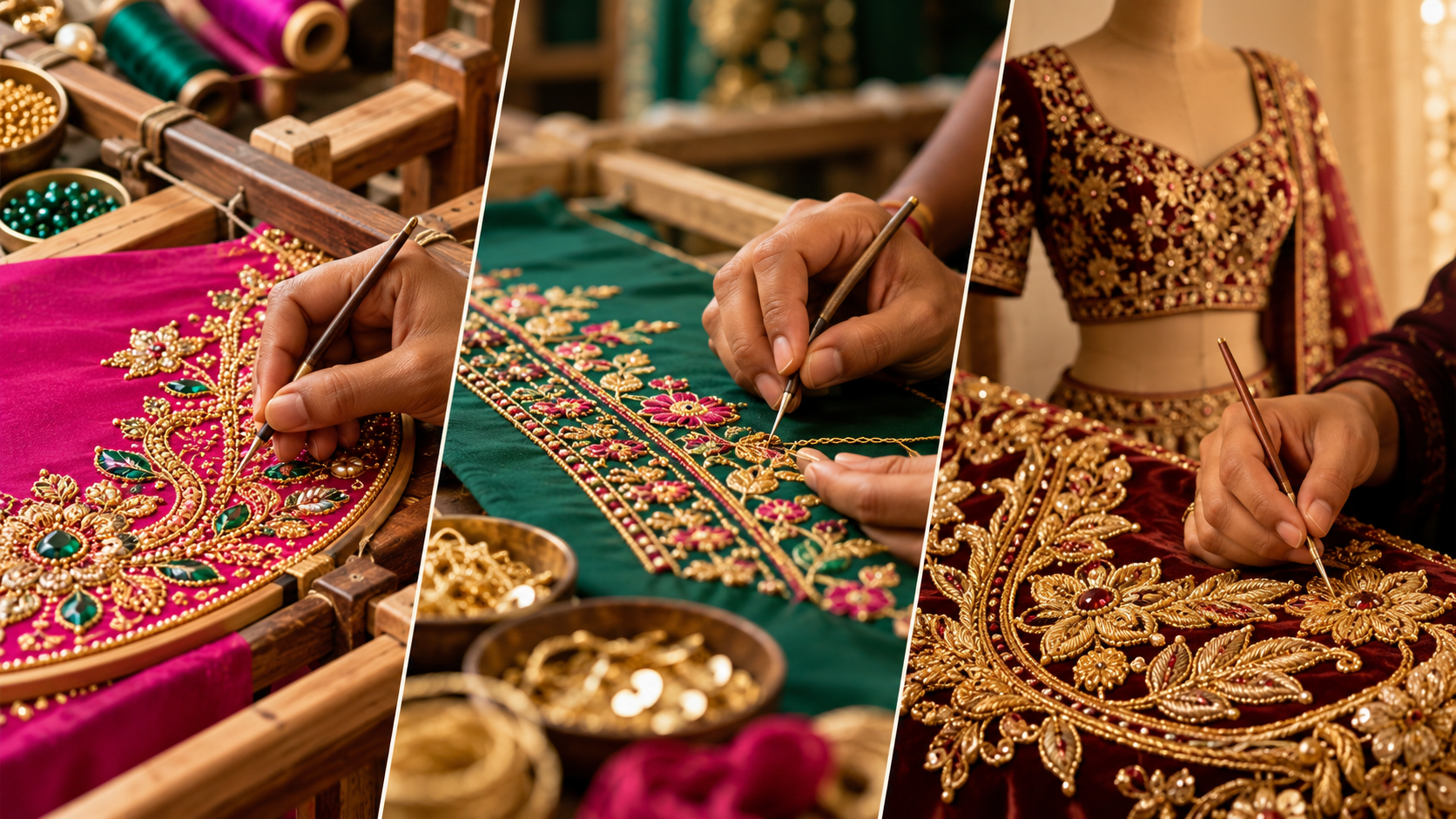
Maggam work is a traditional embroidery technique widely associated with South Indian clothing, particularly bridal blouses, silk sarees and festive garments. It is commonly performed with the fabric stretched tightly over a wooden embroidery frame, allowing the artisan to work on detailed designs with greater control.
The term Maggam refers to the frame used during the embroidery process. The technique often involves a hooked needle, thread and decorative materials such as beads, stones, sequins and metallic embellishments. Depending on the design, the finished work may appear delicate or heavily decorated.
Techniques and Materials Used in Maggam Work
Maggam embroidery frequently incorporates chain stitches, threadwork and decorative embellishments. Artisans may create floral patterns, peacock motifs, paisley shapes, traditional borders and ornamental arrangements inspired by regional designs.
Materials can include silk thread, zari, beads, mirrors, pearls and decorative stones. The selection depends on the garment, the desired appearance and the amount of embellishment required.
The stretched frame helps keep the fabric stable while the artisan works. This is particularly useful when a design contains many closely arranged details or heavier decorative elements.
Applications of Maggam Work
Maggam work is commonly used for bridal blouses, pattu saree blouses, lehenga blouses and festive outfits. It can also be incorporated into sleeves, necklines, garment backs, dupattas and selected sections of traditional dresses.
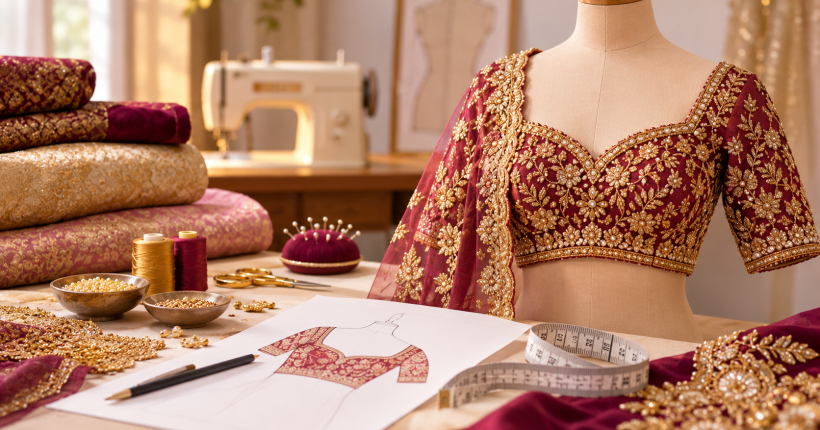
A blouse with floral embroidery and carefully placed stones can complement a silk saree, while a more elaborate design can create a striking focal point for bridal clothing.
The final appearance depends on the stitch density, embellishments, colour choices and overall design. Lighter patterns can be suitable for garments intended for repeated wear, whereas dense embellishment may be reserved for special occasions.
What Is Aari Work?
Aari work is a hand embroidery technique named after the hooked needle used to create its characteristic stitches. The needle allows the artisan to pull thread through the fabric and form continuous chain stitches.
The technique has a long history in Indian embroidery and is used to create both fine decorative details and elaborate patterns. Its versatility makes it suitable for a wide range of clothing, from simple embroidered borders to richly embellished occasion wear.
Aari embroidery is often performed with the fabric held taut on a frame. The terminology can overlap with Maggam work, particularly in South India, where the two names may describe closely related forms of framed embroidery.
Techniques and Materials Used in Aari Work
The chain stitch is central to traditional Aari embroidery. By controlling the movement of the hooked needle, artisans can produce flowing outlines, curved patterns and intricate decorative motifs.
Common materials include cotton or silk thread, zari, sequins, beads and stones. The precise combination depends on the design and the finish the artisan wants to achieve.
Aari work is suitable for outlining flowers, creating leafy patterns, decorating necklines and developing detailed borders. Its continuous stitching method can also be used to fill selected areas with repeated patterns.
The finished embroidery does not have to be lightweight or delicate. Simple threadwork can create a subtle effect, while the addition of stones, beads and metallic elements can make the garment considerably heavier.
Applications of Aari Work
Aari embroidery is used on saree blouses, lehengas, salwar suits, dupattas, bridal garments and other decorative clothing. It can also be applied to accessories and selected textile products.
For example, a designer may use Aari chain stitches to create a floral neckline on a blouse or develop an intricate border along a dupatta. Coloured thread can introduce contrast, while zari and sequins can add a decorative finish.
Aari work is also useful when a design requires fine lines and detailed motifs. Its appearance can be adapted to different styles by changing the thread, stitch density, pattern and embellishments.
What Is Zardozi Work?
Zardozi, also spelled Zardosi, is a traditional form of embroidery associated with metallic threads and richly decorated textiles. The name comes from Persian words associated with gold and embroidery. Historically, this craft was used to embellish royal garments, ceremonial clothing and other luxury textiles.
Unlike embroidery that relies mainly on ordinary thread, Zardozi commonly uses metallic materials to create a raised, textured appearance. Modern versions may incorporate gold- or silver-coloured metal thread, coiled wire, beads, sequins and other decorative elements.
The result can be elaborate and reflective, making Zardozi particularly popular for bridal clothing and special-occasion garments.
Techniques and Materials Used in Zardozi
Zardozi artisans use specialised needles and embroidery methods to attach metallic elements to the fabric. Materials may include zari, dabka, metallic coils, beads, sequins and decorative stones.
Some elements are laid on the fabric surface and secured with fine stitches. The artisan carefully positions each component to build the intended pattern and maintain the design’s shape.
Traditional motifs include flowers, leaves, paisleys and ornamental arrangements. Contemporary designs may combine these patterns with geometric details or more modern compositions.
Because some Zardozi materials are relatively heavy, choosing an appropriate base fabric is important. The material must support the embellishment without excessive pulling or distortion. Fabric weight, lining and garment construction all influence the finished result.
Applications of Zardozi Work
Zardozi is commonly found on bridal lehengas, wedding blouses, formal jackets, dupattas and ceremonial outfits. It can be used for prominent motifs, garment borders, sleeve details and decorative panels.
Metallic embroidery can create a rich appearance on fabrics such as velvet, silk and other suitable materials. The design may be subtle, with small metallic details, or elaborate, with extensive coverage.
Zardozi is especially useful when a designer wants texture and visual depth to become important features of a garment. Its placement should be planned carefully so that the embellishment complements the clothing rather than overwhelming it.
Key Differences Between Maggam Work, Aari Work and Zardozi
Understanding these embroidery styles requires looking beyond their appearance. The techniques may share materials and decorative motifs, but their construction methods and regional terminology can differ.
1. Tools and Working Methods
Aari work is identified by the hooked needle used to create chain stitches. Maggam work commonly uses a stretched frame and may employ the same hooked-needle method, along with additional embellishment techniques.
Zardozi relies on methods for attaching metallic threads, coils and decorative elements to the fabric. Depending on the design, different needles and tools may be required.
2. Materials and Texture
Aari work can use ordinary thread, silk thread, zari and embellishments. Its texture ranges from relatively flat chain stitching to richly decorated surfaces.
Maggam work can combine chain stitches with stones, beads, mirrors and other materials. This often produces a more elaborate appearance, although the final effect varies considerably.
Zardozi is particularly associated with metallic elements and raised embroidery. The use of metal thread and decorative coils can give the surface a dimensional finish.
3. Design Possibilities
Aari work is suitable for flowing lines, detailed outlines, floral motifs and decorative borders. Maggam work is frequently used for intricate South Indian blouse designs and arrangements featuring stones or other embellishments.
Zardozi lends itself to metallic motifs, ornamental borders and elaborate designs for special-occasion garments. However, these applications are not exclusive. Skilled artisans can adapt all three techniques to different creative concepts.
4. Weight and Fabric Suitability
The weight of embroidery depends on the materials, stitch density and area covered. Fine Aari threadwork may add relatively little weight, while heavily embellished Aari or Maggam designs can become substantial.
Zardozi can also be heavy when it contains dense metallic elements. Such work needs a suitable fabric base and careful construction.
For lightweight materials, designers should assess the fabric’s strength and whether additional backing is necessary. Sampling the design before completing the garment can help identify potential problems.
5. Time and Skill Requirements
All three techniques require practice, precision and patience. The time needed depends on the complexity of the motif, the embroidery area, the materials and the artisan’s experience.
A simple border may require considerably less work than a densely embroidered bridal blouse. Designs involving small beads, metallic coils or extensive surface coverage usually demand careful planning and detailed execution.
It is therefore difficult to assign a fixed completion time to any technique without knowing the specific design.
How These Embroidery Techniques Are Used in Modern Fashion
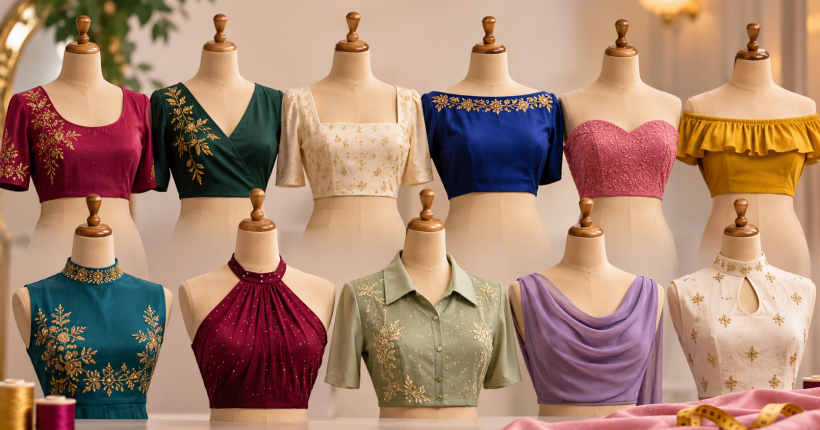
Contemporary fashion designers often combine traditional embroidery with modern silhouettes, colour palettes and styling choices. Aari work can be used to create delicate details on contemporary blouses, while Maggam embroidery can introduce elaborate patterns into traditional and fusion garments.
Zardozi can add metallic accents to jackets, gowns, lehengas and formal outfits. Designers may also combine metallic embroidery with threadwork to create contrast in texture and colour.
The key is to consider the complete garment. Embroidery should work with the fabric, silhouette, occasion and intended wearer. Designers also need to consider comfort, durability and how the finished clothing will be maintained.
Learning Embroidery as Part of Fashion Design
Embroidery is an important skill for learners interested in clothing design, garment embellishment and boutique entrepreneurship. Understanding different embroidery techniques helps aspiring designers create distinctive patterns and add decorative details to their garments.
Skill Haara offers fashion training that covers Aari work, Zardozi and other embellishment techniques alongside fashion illustration, textile studies, pattern making and garment construction. These subjects help students understand how embroidery can be incorporated into different clothing designs. Knowledge of fabrics and garment construction also supports better decisions about materials, stitch placement and finishing.
Conclusion
Maggam work, Aari work and Zardozi each contribute distinctive techniques and decorative possibilities to Indian fashion. Aari is known for its hooked-needle chain stitching, Maggam work is associated with framed embroidery and elaborate embellishment, and Zardozi is recognised for its metallic materials and raised surface effects.
The names and methods can overlap, particularly between Aari and Maggam work, so understanding the actual stitches and materials is more useful than relying on labels alone. For fashion students and aspiring designers, studying these techniques provides a foundation for making informed decisions about fabric, embroidery, garment design and finishing.