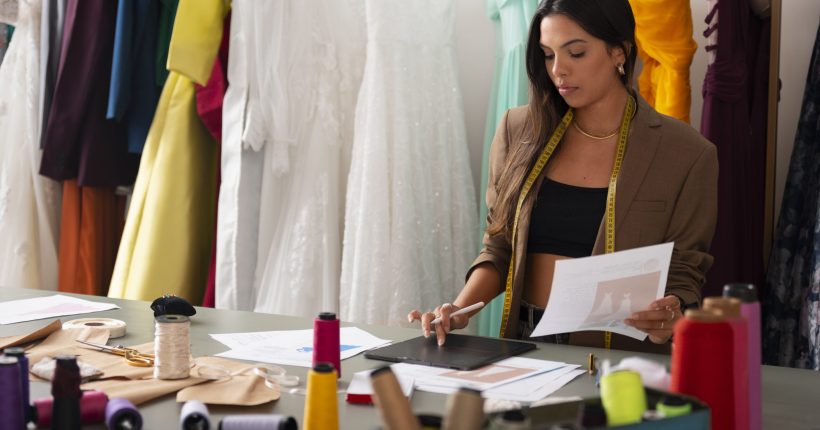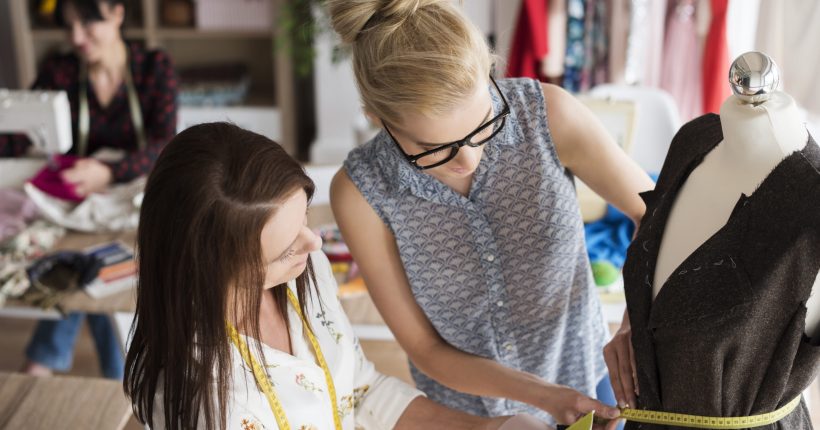
Fashion designing is one of the most creative and rewarding career choices for people who love art, style, and innovation. Every garment you see in a store or on a fashion runway starts with an idea. Fashion designers turn those ideas into beautiful clothing by combining creativity with technical knowledge and practical skills.
However, becoming a successful designer requires more than having a good sense of style. Learning the Essential Skills Every Aspiring Fashion Designer Should Learn will help you create professional designs, understand the fashion industry, and prepare for exciting career opportunities.
Whether you are a student, a beginner, or someone planning to enter the fashion industry, this guide will help you understand the skills that every aspiring fashion designer should develop.
Why Fashion Designing Is a Growing Career
The global fashion industry continues to expand as consumer preferences change and new trends emerge every season. Fashion professionals are needed in many areas, including clothing brands, textile companies, retail businesses, fashion houses, e-commerce companies, and entertainment.
Fashion designing offers opportunities for people who enjoy creativity while also providing career growth, flexibility, and even the chance to start their own business.
Some popular career options include:
- Fashion Designer
- Assistant Designer
- Fashion Stylist
- Textile Designer
- Fashion Illustrator
- Fashion Consultant
- Costume Designer
- Boutique Owner
- Fashion Merchandiser
With the right skills and training, beginners can build a rewarding career in this dynamic industry.
Why Skills Matter More Than Talent
Many people believe that successful designers are simply born with natural talent. While creativity is important, professional success comes from learning and practicing the right skills.
The Essential Skills Every Aspiring Fashion Designer Should Learn help students understand design principles, improve technical knowledge, and develop confidence through practical experience.
Regular practice allows beginners to improve steadily and become industry-ready professionals.
1. Creativity and Original Thinking
Creativity is the heart of fashion designing.
Designers must create original clothing that attracts customers while reflecting current fashion trends.
Creative thinking helps designers:
- Develop unique concepts
- Experiment with new styles
- Solve design challenges
- Build a personal design identity
Creativity grows stronger through observation, practice, and continuous learning.
2. Fashion Illustration
Fashion illustration is one of the first skills beginners should learn.
Sketches allow designers to communicate their ideas before producing garments.
Students learn:
- Body proportions
- Fashion poses
- Garment details
- Coloring techniques
- Design presentation
Good illustration skills make it easier to explain creative ideas to clients and production teams.
3. Fabric Knowledge
Every fabric behaves differently during garment construction.
Understanding fabric properties helps designers select suitable materials for different designs.
Some commonly used fabrics include:
- Cotton
- Linen
- Silk
- Denim
- Polyester
- Wool
- Satin
Knowing fabric textures, durability, and comfort improves the quality of finished garments.
4. Color Theory
Color plays an important role in fashion.
Designers learn how to:
- Combine colors effectively
- Create balanced color palettes
- Understand seasonal colors
- Match colors with customer preferences
Good color selection enhances the overall appearance of clothing collections.
5. Pattern Making
Pattern making transforms sketches into garment templates.
This technical skill allows designers to create clothing with accurate measurements and proper fitting.
Pattern making includes:
- Body measurements
- Pattern drafting
- Pattern adjustments
- Garment fitting
It is considered one of the most important technical skills in fashion designing.
6. Garment Construction
The Essential Skills Every Aspiring Fashion Designer Should Learn include understanding how garments are actually made.
Students learn:
- Sewing techniques
- Stitching methods
- Seam finishes
- Sleeve construction
- Collar construction
- Garment assembly
Practical sewing experience helps designers understand how their designs become finished products.
7. Fashion Trend Research
Fashion changes every season.
Successful designers regularly study:
- International fashion shows
- Consumer preferences
- Social media trends
- Celebrity fashion
- Street fashion
- Sustainable fashion
Trend research helps designers create collections that remain relevant and attractive.
8. Portfolio Development
A professional portfolio is essential for job interviews and freelance opportunities.
A portfolio usually contains:
- Fashion sketches
- Design collections
- Mood boards
- Fabric selections
- Garment photographs
- Project work
Employers often evaluate portfolios before hiring designers.
9. Communication Skills
Fashion designers work with many professionals, including clients, production teams, tailors, suppliers, and marketing departments.
Strong communication helps designers:
- Explain ideas clearly
- Understand customer requirements
- Work effectively with teams
- Present design concepts confidently
Communication is valuable throughout every stage of the design process.
10. Time Management
Fashion projects often involve strict deadlines.
Good time management helps designers:
- Complete projects on schedule
- Organize multiple assignments
- Reduce stress
- Improve productivity
Professional designers must balance creativity with efficient planning.
Importance of Hands-On Learning
Fashion designing is not a subject that can be mastered through theory alone.
Practical training allows students to:
- Create garments
- Practice stitching
- Learn pattern drafting
- Build portfolios
- Improve technical skills
- Develop confidence
Hands-on learning prepares students for real workplace situations.
Common Mistakes Beginners Should Avoid
While learning fashion designing, beginners often make avoidable mistakes.
These include:
- Ignoring practical assignments
- Depending only on online tutorials
- Copying designs instead of creating original work
- Not learning fabric basics
- Skipping portfolio development
- Ignoring industry trends
Learning from experienced mentors helps students avoid these mistakes.
Tips to Improve Your Fashion Design Skills
To become a better designer:
- Practice sketching every day.
- Study fashion magazines and runway collections.
- Visit textile exhibitions.
- Learn about different fabrics.
- Build your portfolio regularly.
- Experiment with new ideas.
- Follow leading fashion designers.
- Accept constructive feedback.
- Stay updated with industry trends.
- Never stop learning.
Consistency is one of the biggest factors behind long-term success.
Why Choose Skillhaara?
The quality of your training can significantly influence your career. A structured program that combines practical learning with expert guidance helps beginners develop confidence and industry-ready skills.
If you are looking for <a href=”https://skillhaara.com/” target=”_blank”>Skillhaara, the Best Fashion Designing Essentials Certificate Program in Trivandrum</a>, you can benefit from beginner-friendly classes, practical garment construction sessions, portfolio development, experienced mentors, and industry-focused learning. The program is designed to help aspiring designers build strong technical and creative skills while preparing for successful careers in fashion.
Career Opportunities After Learning Fashion Design
Mastering the Essential Skills Every Aspiring Fashion Designer Should Learn opens the door to many exciting career opportunities.
You can work as:
- Fashion Designer
- Assistant Fashion Designer
- Fashion Illustrator
- Fashion Stylist
- Textile Designer
- Fashion Merchandiser
- Costume Designer
- Fashion Consultant
- Boutique Owner
- Freelance Designer
Many designers also start their own fashion brands after gaining experience.
The Future of Fashion Designing
Fashion continues to evolve with technology and changing customer expectations.
Growing areas include:
- Sustainable fashion
- Digital fashion illustration
- Fashion e-commerce
- Smart textiles
- 3D fashion design
- Luxury fashion
- Personal styling
Designers who continuously upgrade their skills will enjoy excellent career opportunities in the coming years.
Conclusion
Learning the Essential Skills Every Aspiring Fashion Designer Should Learn is the foundation of a successful career in the fashion industry. Creativity alone is not enough. Professional designers also need technical knowledge, fabric understanding, garment construction skills, communication abilities, and practical experience.
With consistent practice, a strong portfolio, and guidance from experienced mentors, beginners can confidently enter the fashion world and build rewarding careers.
Choosing a trusted institute like Skillhaara provides access to practical training, expert mentorship, and industry-relevant learning that prepares aspiring designers for long-term success.
FAQs
1. What are the most important skills for a fashion designer?
The most important skills include creativity, fashion illustration, fabric knowledge, pattern making, garment construction, color theory, communication, and trend analysis.
2. Can beginners learn fashion designing without prior experience?
Yes. Beginner-friendly fashion design courses are designed for students with little or no previous experience and teach skills step by step.
3. Why is practical training important in fashion designing?
Practical training helps students apply theoretical concepts, improve sewing and garment construction skills, build portfolios, and prepare for real industry work.
4. What career opportunities are available after learning fashion designing?
Graduates can work as fashion designers, stylists, fashion illustrators, textile designers, consultants, merchandisers, boutique owners, costume designers, or freelance professionals.
5. How can I improve my fashion designing skills?
Practice sketching regularly, study fashion trends, learn about fabrics, build a strong portfolio, work on practical projects, and seek guidance from experienced mentors.
6. Why should I choose Skillhaara?
Skillhaara offers a beginner-friendly Fashion Designing Essentials Certificate Program with experienced mentors, practical workshops, portfolio development, industry-focused learning, and career guidance to help students become confident and job-ready fashion professionals.