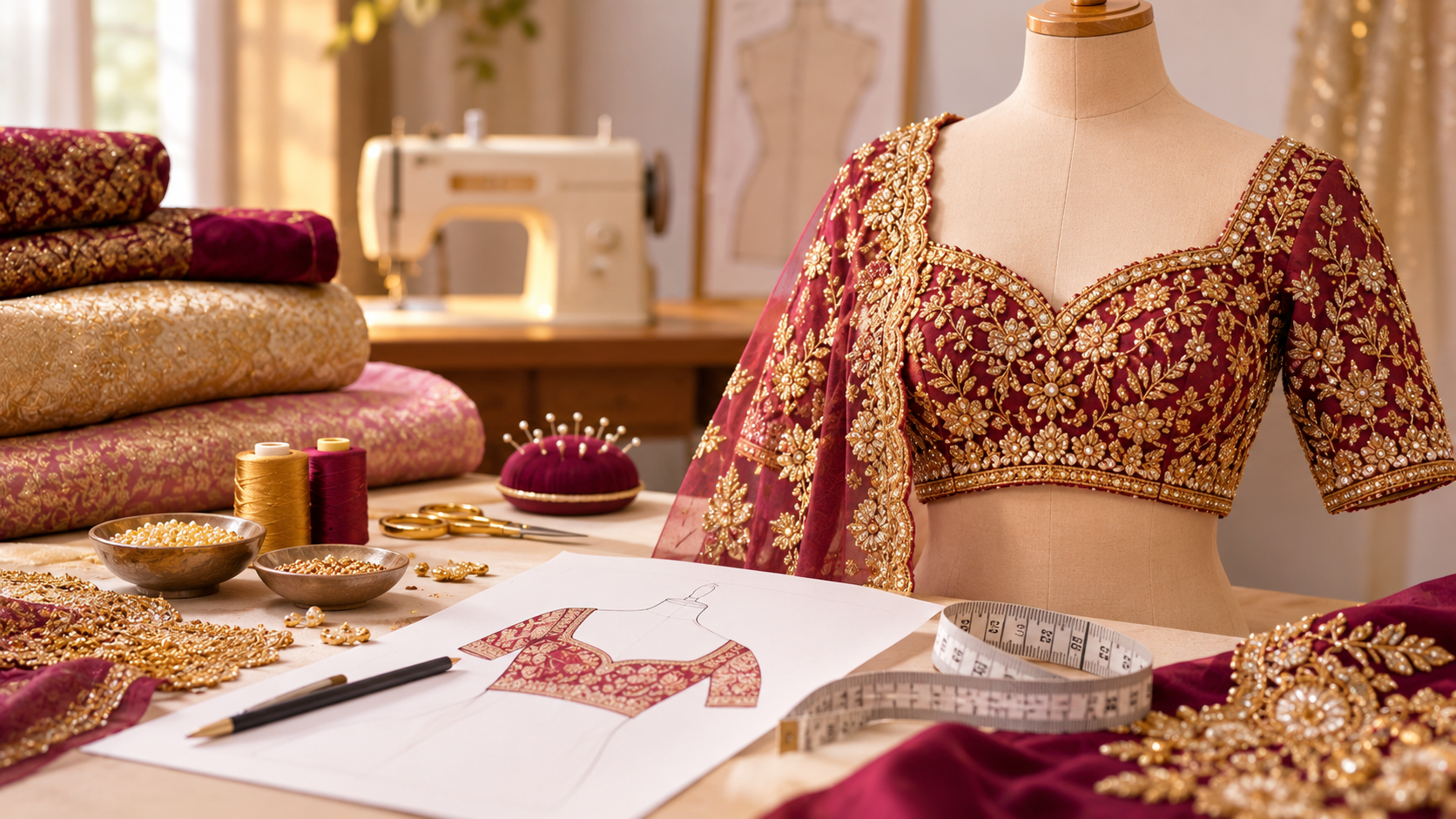
A bridal blouse is more than a garment worn with a wedding saree or lehenga. It is an important part of the bridal outfit that contributes to its overall appearance, style and fit. From the neckline and sleeve pattern to the embroidery and finishing details, every design element plays a role in creating a blouse that complements the bride’s look.
Designing a bridal blouse requires a combination of creativity and technical knowledge. Fashion designers need to understand fabric properties, body measurements, garment construction, colour coordination and embellishment techniques. A well-planned design ensures that the blouse looks attractive while remaining comfortable throughout the wedding celebrations.
1. Understanding the Bridal Outfit and Design Requirements
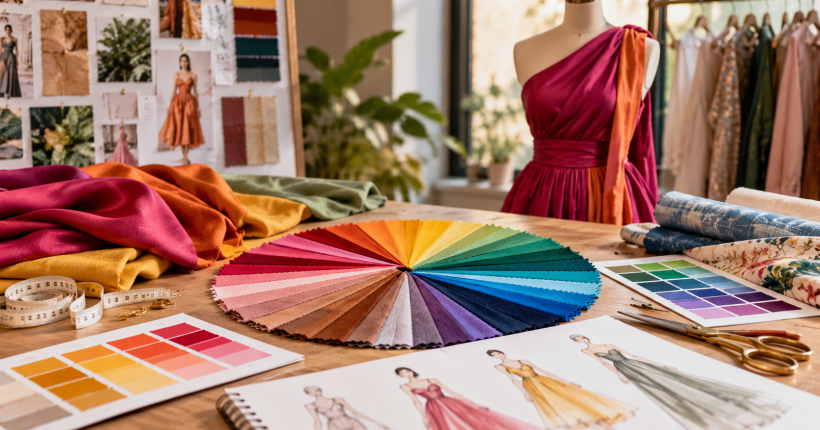
Before starting the blouse design, it is important to understand the bridal outfit with which it will be worn. The blouse should complement the saree or lehenga in terms of colour, fabric, embroidery and overall design.
For example, a traditional silk saree may pair well with a blouse featuring rich embroidery, structured sleeves and a classic neckline. A lightweight bridal saree may look better with delicate embellishments and a simpler silhouette.
Designers should consider the following factors:
- The colour and material of the bridal saree or lehenga.
- The type and placement of existing embroidery.
- The bride’s preferred design style.
- The wedding theme and traditional requirements.
- The level of comfort needed for extended wear.
Collecting these details before sketching helps establish a clear direction for the blouse design.
2. Selecting the Right Fabric
Fabric selection is one of the most important stages in bridal blouse design. The material affects the garment’s structure, appearance, comfort and ability to support embroidery.
Some commonly used fabrics include:
Raw Silk: Raw silk is popular for traditional bridal blouses because of its rich texture and structured appearance. It works well for designs that require a defined shape.
Velvet: Velvet has a soft surface and luxurious finish. It is often selected for bridal blouses featuring detailed embroidery, zari work or decorative embellishments.
Brocade: Brocade fabrics feature woven patterns that can add visual detail without requiring extensive additional decoration. They are suitable for traditional and festive blouse designs.
Organza: Organza is a lightweight, sheer fabric that can be used for sleeves, overlays and decorative elements. It is often combined with other materials to provide support.
Georgette: Georgette offers a soft drape and can be used for selected blouse styles that require a lighter appearance.
When choosing fabric, designers should also consider its thickness, stretch, lining requirements and compatibility with the intended embroidery. A fabric that looks attractive may not always be suitable for a particular construction technique.
3. Choosing a Suitable Neckline Design
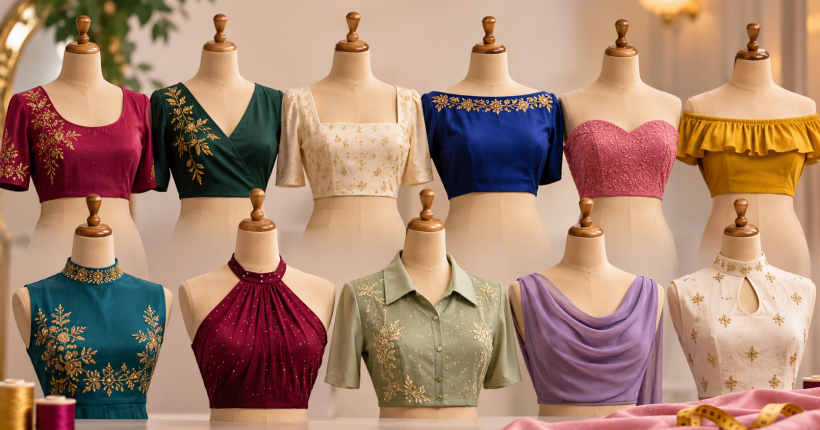
The neckline is one of the most noticeable features of a bridal blouse. It influences the garment’s overall style and helps create visual balance with the saree or lehenga.
Some popular neckline options include:
- Round Neck: A classic option that works well with traditional embroidery and decorative borders.
- Sweetheart Neck: Features a curved shape inspired by a heart, often selected for contemporary bridal designs.
- Boat Neck: Extends across the upper neckline and creates a broad, elegant appearance.
- Square Neck: Has a structured shape that can be paired with detailed sleeve designs.
- High Neck: Provides more coverage and offers space for intricate embroidery around the neckline.
- V-Neck: Creates a pointed neckline that can be adapted for traditional or modern bridal styles.
The choice should depend on the bride’s preferences, the overall outfit and the construction requirements. Designers should also consider how the neckline will sit when the blouse is worn, particularly when planning embroidery or decorative borders.
4. Planning the Sleeve Pattern
Sleeve design can change the appearance of a bridal blouse significantly. It also affects movement, comfort and the amount of embellishment that can be added.
Popular sleeve styles include:
- Short Sleeves: A practical choice for traditional bridal blouses, especially when decorated with embroidery or zari borders.
- Elbow-Length Sleeves: Provide more coverage and allow space for detailed decorative work.
- Full Sleeves: Often used in contemporary bridal designs, with embroidery extending along the sleeve.
- Puff Sleeves: Add volume and a traditional decorative element to the garment.
- Sheer Sleeves: Use transparent materials such as net or organza to create a lightweight appearance.
The sleeve pattern should be planned according to the fabric, blouse silhouette and intended level of decoration. Designers must also check the armhole and sleeve measurements to prevent tightness or restricted movement.
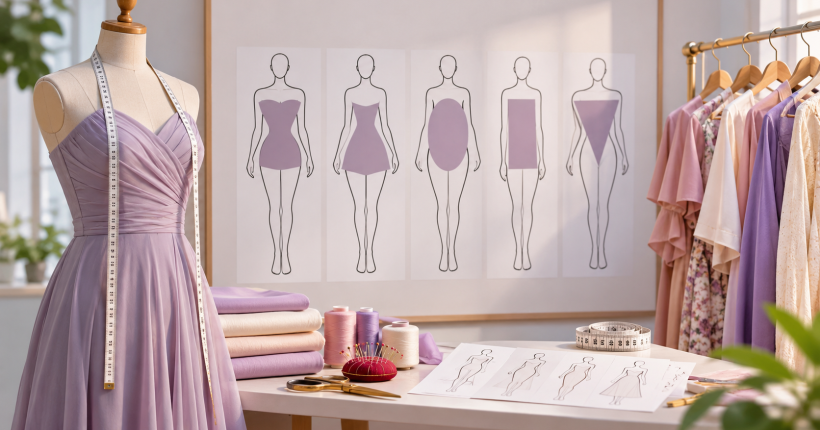
5. Taking Accurate Body Measurements
Accurate measurements are essential for creating a bridal blouse that fits properly. Even an attractive design can look uncomfortable or poorly finished if the measurements are incorrect.
Important measurements include:
- Bust circumference
- Under-bust measurement
- Waist circumference
- Shoulder width
- Front and back neck depth
- Armhole circumference
- Sleeve length
- Upper arm circumference
- Blouse length
Measurements should be taken carefully using a measuring tape while maintaining a comfortable, natural posture. Designers should also ask about the intended fit, such as a close-fitting blouse or one with slightly more ease.
It is useful to record all measurements before preparing the pattern. A measurement sheet helps reduce errors during cutting and stitching.
6. Preparing the Pattern and Cutting the Fabric
Pattern making converts the design concept and body measurements into individual garment pieces. It provides a guide for cutting the fabric and assembling the blouse.
The pattern generally includes the front bodice, back bodice, sleeves, neckline and other required sections. Darts, seams, closures and allowances must be considered during pattern development.
Before cutting the main fabric, designers should check:
- Whether the measurements match the intended fit.
- Whether the front and back pattern pieces are balanced.
- Whether the neckline and armhole shapes are accurate.
- Whether seam allowances have been included.
- Whether the fabric pattern or grain direction needs alignment.
For expensive bridal fabrics, careful cutting is particularly important because mistakes can lead to material wastage. Preparing a sample using a less expensive fabric can help identify fitting or construction issues before working on the final material.
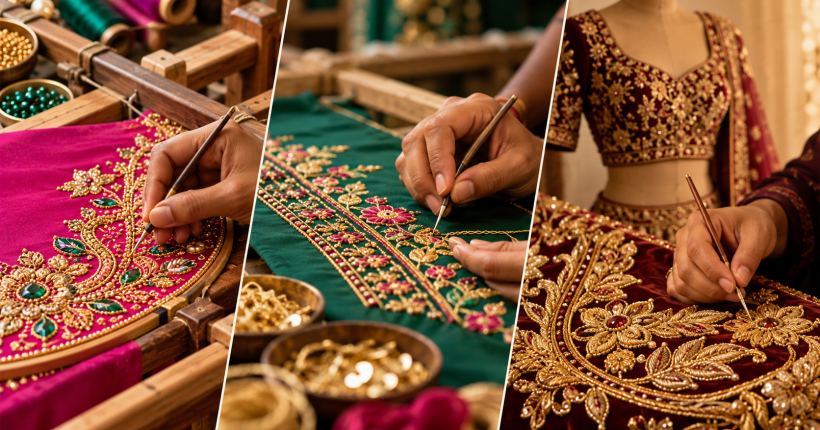
7. Selecting Embellishment Techniques
Embellishment gives a bridal blouse its decorative character. The technique should complement the saree or lehenga rather than compete with it.
Some commonly used embellishment methods include:
Aari Work: Aari embroidery uses a specialised hooked needle to create decorative patterns. It is suitable for floral motifs, borders and detailed designs.
Zardozi Work: This traditional embroidery technique uses metallic threads and decorative elements to create rich patterns. It is often used for elaborate bridal designs.
Maggam Work: Maggam embroidery is commonly used in traditional Indian bridal blouses. It can include detailed threadwork, beads, stones and other decorative materials.
Zari Work: Zari involves metallic threads that add a traditional finish to blouse designs. It can be used for borders, motifs and larger decorative patterns.
Sequin and Bead Embellishment: Sequins and beads add texture and shine. They can be arranged in floral patterns, geometric designs or scattered decorative details.
The designer should select an embellishment method based on the fabric’s strength, the desired appearance and the amount of decoration required.
8. Planning the Embroidery Placement
Choosing an embroidery technique is only one part of the process. Designers must also decide where the embellishments should be placed.
Common embroidery areas include:
- Neckline borders
- Sleeve edges
- Back neck designs
- Blouse body motifs
- Shoulder sections
- Waistline borders
A heavily embroidered neckline may look balanced with simpler sleeves, while a plain neckline can be paired with detailed sleeve embroidery. The back of the blouse can also become a focal point through decorative patterns, tie-up details or embroidered panels.
Before starting the work, designers should prepare a placement sketch. This helps maintain symmetry and prevents the design from becoming overcrowded.
9. Stitching and Garment Construction
After completing the pattern and embroidery planning, the next stage is garment construction. The fabric pieces are stitched together according to the prepared pattern.
Depending on the design, construction may involve:
- Joining the front and back bodice pieces.
- Attaching the shoulders and sleeves.
- Preparing and finishing the neckline.
- Adding lining for support and comfort.
- Installing hooks, buttons, zippers or other closures.
- Securing decorative borders and finishing edges.
The lining should be selected carefully because it affects the blouse’s comfort and internal finish. Embellishments should also be secured properly to reduce the risk of threads, beads or stones coming loose during wear.
10. Conducting a Fitting Session
A fitting session helps identify problems that may not be visible during pattern preparation or stitching. The bride should try on the blouse before the final finishing stage whenever possible.
During fitting, designers should check:
- Whether the bust and waist fit comfortably.
- Whether the shoulder seams sit correctly.
- Whether the armholes allow natural movement.
- Whether the neckline stays in the intended position.
- Whether the sleeves provide enough room.
- Whether the blouse length suits the bridal outfit.
- Whether the back closure is comfortable and secure.
Small adjustments may be needed around the darts, side seams, shoulders or sleeves. Designers should also check the blouse while the bride is sitting and moving her arms, as bridal clothing needs to remain comfortable during different activities.
11. Final Embellishment and Finishing
The final stage brings together the construction and decorative details. Once the fitting adjustments are completed, designers can secure the remaining embellishments and inspect the garment carefully.
Finishing work may include attaching tassels, adding decorative borders, securing loose threads, checking hooks and buttons, and cleaning the garment’s inner seams. The embroidery should be inspected to ensure that stones, beads and threads are firmly attached.
The blouse should also be checked against the bridal saree or lehenga to confirm that the colours, patterns and decorative elements work together. Proper pressing and careful storage help maintain its appearance before the wedding.
Common Mistakes to Avoid in Bridal Blouse Design
Even small mistakes can affect the final appearance and comfort of a bridal blouse. Designers should pay attention to the following points:
- Choosing fabric without considering its suitability for embroidery.
- Using inaccurate measurements during pattern preparation.
- Selecting a neckline that does not complement the overall outfit.
- Adding too many decorative elements to one area.
- Ignoring lining and seam finishing.
- Skipping the fitting session.
- Using heavy embellishments without checking fabric support.
- Leaving loose threads or unsecured decorative pieces.
Planning each stage carefully helps prevent these issues and improves the quality of the finished garment.
Developing Bridal Blouse Design Skills
Designing a bridal blouse requires knowledge of fabric selection, body measurements, pattern making, garment construction and embroidery techniques. Learning these skills helps aspiring designers turn creative ideas into well-fitted garments.
Skill Haara provides fashion design training covering fashion illustration, textile studies, pattern making, draping and garment construction. This helps learners develop practical knowledge of garment design and create bridal and customised clothing with attention to fit and finishing.
Understanding each stage, from the initial sketch to the final embellishment, helps designers create bridal blouses that complement the outfit and reflect individual preferences.