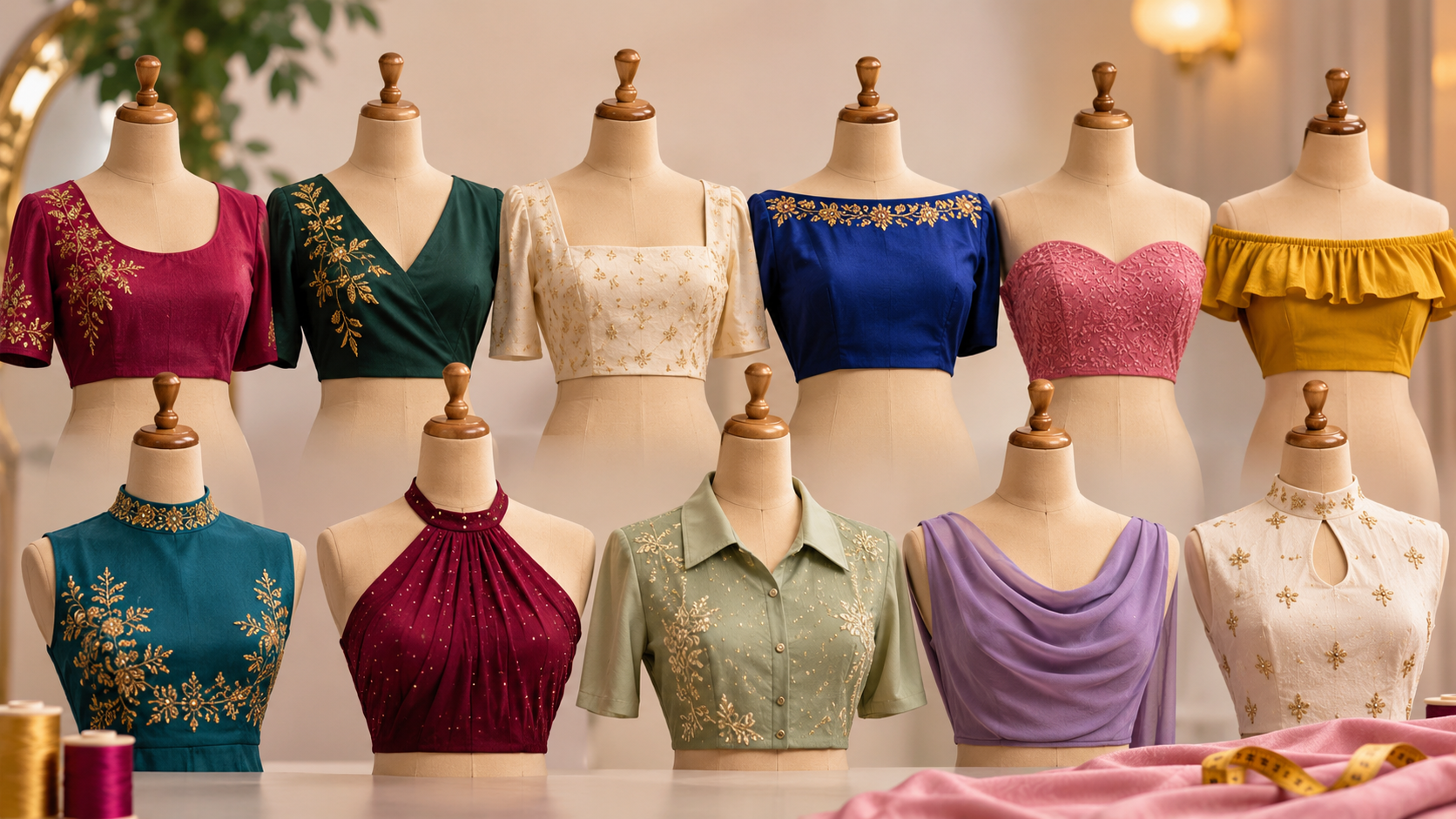
A neckline is one of the most noticeable details in a garment. Although it may seem like a small design element, it can influence the entire appearance of an outfit. The shape of a neckline affects how a garment frames the face, highlights the shoulders and complements the overall silhouette. It can make a simple dress look elegant, give a blouse a traditional appearance or add a modern touch to everyday clothing.
In fashion design, selecting the right neckline involves more than following current trends. Designers consider the garment’s purpose, fabric, construction, comfort and overall style before finalising the neckline. Understanding different neckline designs helps aspiring fashion designers make better creative decisions and develop garments with a balanced appearance.
What Is a Neckline in Fashion Design?
A neckline refers to the shape or opening around the neck area of a garment. It is formed by the edges of the fabric surrounding the neck and upper chest. Necklines can be high, low, wide, narrow, curved or angular, depending on the intended design.
Different neckline shapes create different visual effects. Some offer a modest and structured appearance, while others create an open and relaxed look. The neckline also influences how other garment details, such as collars, sleeves, embroidery and embellishments, are arranged.
For example, a high neckline may create a neat and formal appearance, while a wide neckline can make an outfit look softer and more open. These differences make neckline selection an important part of garment design.
Popular Types of Neckline Designs
Fashion designers work with several neckline styles across dresses, blouses, tops, kurtis and other garments. Each design has its own shape, construction requirements and styling possibilities.
1. Round Neckline
The round neckline is one of the most commonly used styles in everyday clothing. It features a curved opening around the base of the neck, creating a simple and balanced appearance.
This neckline is widely used in T-shirts, kurtis, casual tops, dresses and traditional blouses. Its straightforward shape makes it suitable for different fabrics and garment styles. Designers can also modify the depth of the round neckline to create variations.
A shallow round neckline offers a relatively closed appearance, while a deeper version creates a more open look. Decorative borders, piping and embroidery can be added to make the design more distinctive.
2. V-Neckline
The V-neckline is formed by two edges that meet at a point, creating a V-shaped opening. It is a popular choice for tops, dresses, blouses and formal garments.
This design creates a vertical visual line that can make the upper portion of an outfit appear longer. The depth and width of the V shape can be adjusted according to the garment’s style and intended coverage.
A narrow V-neckline can create a subtle and structured appearance, while a deeper version gives the garment a more open design. Designers often use this neckline in both contemporary clothing and traditional outfits.
3. Square Neckline
The square neckline features a straight horizontal opening across the upper chest, connected to two vertical or slightly angled sides. Its defined shape gives garments a structured and distinctive appearance.
It is commonly used in dresses, fitted tops and traditional blouses. Square necklines work particularly well with designs that have defined shoulder and bodice construction.
This neckline can also provide space for decorative elements such as lace, embroidery or fabric borders. Its geometric shape makes it a suitable choice for designers looking to introduce a clear visual detail without adding complicated embellishments.
4. Boat Neckline
A boat neckline, also known as a bateau neckline, extends horizontally across the upper chest towards the shoulders. It usually has a relatively shallow opening and creates a wide neckline shape.
This style is often used in formal dresses, blouses and elegant tops. It draws attention towards the shoulder area and gives the garment a refined appearance.
Boat necklines can be designed with different widths depending on the intended look. They are often paired with simple sleeves and clean garment details to maintain the neckline’s visual effect.
5. Sweetheart Neckline
The sweetheart neckline is shaped like the upper curves of a heart. It features two rounded sections over the bust area, meeting at a slight point in the centre.
This neckline is frequently seen in bridal gowns, evening dresses, party wear and fitted bodices. Its curved shape creates a decorative and feminine appearance.
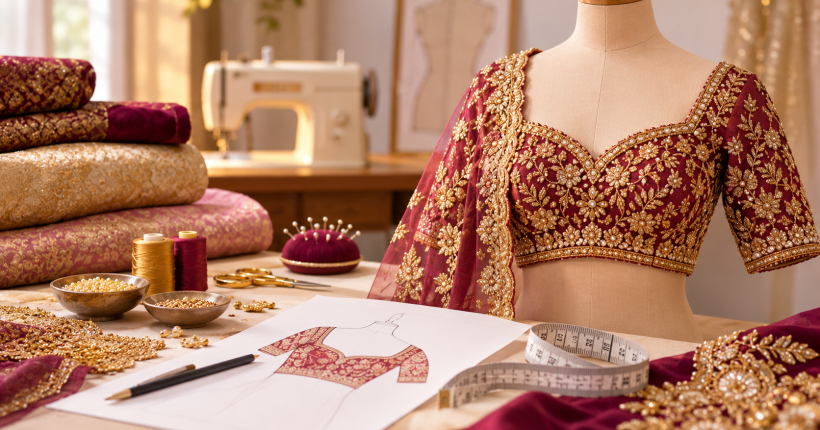
Designers often use structured bodice construction to maintain the intended shape. Sweetheart necklines can also be combined with embroidery, lace, beadwork or additional fabric detailing for special occasion garments.
6. Off-Shoulder Neckline
The off-shoulder neckline sits below the shoulders, leaving the shoulder area exposed. It may extend across both arms or use separate fabric sections to create the desired shape.
This style is commonly used in party dresses, summer outfits and occasion wear. It creates an open appearance and places visual emphasis on the shoulder line.
When designing an off-shoulder garment, it is important to consider fit and support. Elastic, fitted bands or carefully constructed bodices may be used to help the garment remain in position during movement.
7. High Neckline
A high neckline covers more of the neck and upper chest area than many other neckline styles. It may extend close to the base of the neck or include a raised collar-like structure.
High necklines are used in formal dresses, winter clothing, traditional outfits and contemporary designs. Depending on the fabric and construction, they can create a neat, sophisticated or dramatic appearance.
Lightweight fabrics can produce a softer look, while structured materials can give the neckline a more defined shape. Designers should consider comfort and movement when selecting a high neckline, especially for garments intended for extended wear.
8. Halter Neckline
A halter neckline is designed with fabric that wraps around or fastens behind the neck, leaving much of the shoulder area exposed. The front section may have a V-shaped, rounded or gathered design.
This neckline is often used in sleeveless dresses, summer tops and occasion wear. It creates a distinctive upper-body silhouette and allows designers to experiment with different back designs.
The construction of a halter neckline requires attention to fit and support around the neck and upper bodice. The fabric choice also influences how comfortably the garment sits.
9. Collared Neckline
A collared neckline includes a collar attached around the neck opening. The collar may be pointed, rounded, flat or designed in another shape according to the garment.
Collared necklines are common in shirts, formal dresses, tunics and casual wear. They can make a garment appear structured and polished.
Different collar styles create different effects. A pointed collar may give a traditional shirt a formal appearance, while a rounded collar can add a softer detail. Designers can also experiment with collar size, fabric contrast and decorative stitching.
10. Cowl Neckline
A cowl neckline features loose fabric folds that fall naturally around the neck area. Instead of following a fixed geometric shape, it creates a draped effect through the way the fabric is cut and arranged.
This neckline is often used in dresses, blouses and evening tops. It adds softness and movement to a garment without requiring heavy embellishment.
Fabric selection is particularly important when creating a cowl neckline. Lightweight materials with a good drape, such as satin and certain types of georgette, can help produce smooth folds. Stiffer fabrics may not create the same flowing effect.
How Neckline Designs Transform an Outfit
A neckline can change the overall appearance of a garment even when the fabric, colour and silhouette remain the same. Understanding these visual effects helps designers create clothing that suits different styles and occasions.
1. Changes the Visual Balance of a Garment
The neckline influences how the upper part of an outfit is perceived. Wide necklines draw attention towards the shoulder area, while narrow or vertical designs create a different visual direction.
For example, a boat neckline creates a horizontal effect, whereas a V-neckline introduces a vertical line. Designers use these differences to balance the overall garment design.
2. Influences the Outfit’s Style
Necklines contribute to the personality of an outfit. A round neckline may suit everyday clothing, while a sweetheart neckline is often associated with occasion wear.
Similarly, a collared neckline can make a garment look more structured, and a cowl neckline can introduce a softer, flowing appearance. Selecting the right style helps communicate the intended design concept.
3. Affects Fabric and Embellishment Choices
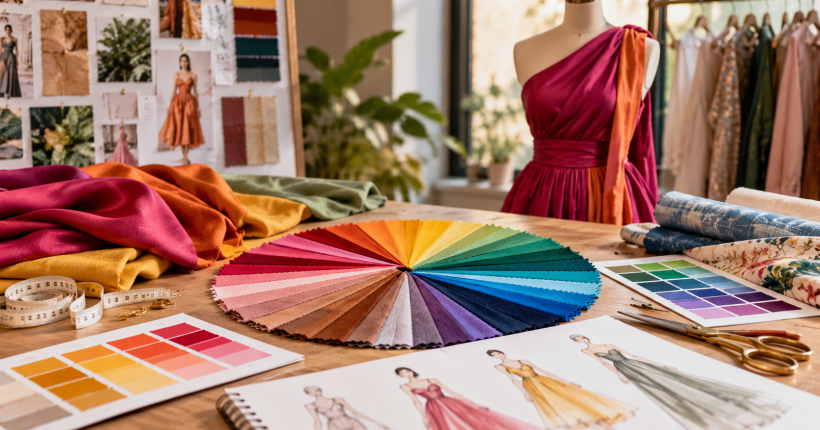
Not every neckline works equally well with every fabric. A structured square neckline may require a fabric that holds its shape, while a cowl neckline usually benefits from materials that drape naturally.
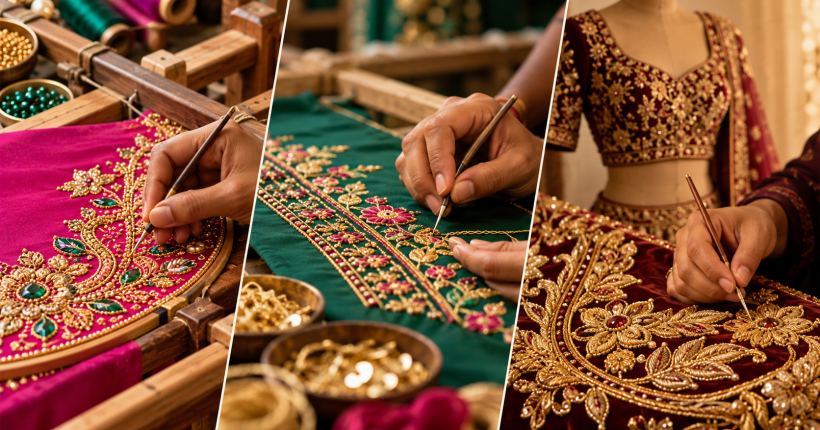
Embellishments also need to complement the neckline. Beads, lace, embroidery and decorative borders should be arranged in a way that supports the shape rather than making the upper portion of the garment look crowded.
4. Determines the Scope for Accessories
The neckline can influence how necklaces, earrings and other accessories appear with an outfit. A simple round neckline may work with different necklace lengths, while a high neckline often looks suitable with statement earrings.
A wide neckline can also leave room for accessories that complement the shoulder and collarbone area. Designers sometimes consider accessory styling while developing outfits for special occasions.
5. Makes Simple Garments More Distinctive
A garment does not always need heavy embroidery or complicated detailing to stand out. A thoughtfully selected neckline can become the main design feature.
For example, a plain cotton top with a square neckline can have a distinctive appearance. Similarly, a simple dress with a draped cowl neckline can look more detailed because of its fabric arrangement.
Factors to Consider When Choosing a Neckline
Selecting a neckline requires attention to the garment’s design, intended use and construction. Fashion designers should consider the following factors before finalising their choice.
Garment type: A neckline suitable for a casual T-shirt may not be appropriate for a formal gown or traditional blouse. The design should complement the garment’s purpose.
Fabric characteristics: Fabric weight, thickness, stretch and drape influence how a neckline looks and fits. Lightweight fabrics may suit flowing designs, while structured materials can support defined shapes.
Comfort and fit: The neckline should allow comfortable movement and sit properly on the body. Designs such as halter and off-shoulder necklines may require additional attention to support and fitting.
Overall silhouette: The neckline should work with the garment’s sleeves, bodice, waistline and overall shape. Every design element should contribute to a balanced appearance.
Occasion and styling: Everyday clothing, office wear, festive outfits and bridal garments may require different neckline approaches. The intended occasion helps determine the level of detailing and coverage.
Construction requirements: Some necklines need additional interfacing, lining, facing or finishing techniques. Designers must understand these requirements to achieve a clean and well-finished result.
How Fashion Designers Develop Different Neckline Styles
Creating a neckline involves both creative planning and technical garment construction. Designers usually begin by identifying the garment’s purpose and visual concept. They then select a neckline shape that complements the overall design.
The next stage involves sketching the neckline and deciding its depth, width and placement. These measurements are important because even small changes can affect the garment’s appearance and fit.
During pattern making, the neckline shape is transferred to the garment pattern. Designers may need to adjust the pattern to achieve the intended curve or angle. Depending on the design, techniques such as facing, binding, piping or adding a collar may be required for finishing.
A sample garment or mock-up can help designers check the neckline before final production. This allows them to assess its shape, comfort and appearance on the body. Any necessary adjustments can be made before cutting the final fabric.
Learning Neckline Design Through Fashion Training
Understanding neckline styles is an important part of fashion design education. Learners need to recognise different shapes and understand how they can be incorporated into dresses, blouses, tops and other garments.
Skill Haara offers fashion design training that covers areas such as fashion illustration, textile studies, pattern making and garment construction.
These subjects help learners understand how design ideas are translated into finished clothing. Knowledge of fabric characteristics and pattern development is particularly useful when experimenting with different neckline shapes. Garment construction also introduces the techniques needed to achieve clean edges, proper fitting and finishing.
For individuals interested in fashion design, understanding neckline construction can become a useful part of developing practical garment-making skills.
Conclusion
Neckline design plays an important role in determining the appearance, structure and character of a garment. From simple round necklines to decorative sweetheart and flowing cowl styles, each design offers different creative possibilities.
Choosing the right neckline involves considering the fabric, garment silhouette, comfort, occasion and construction method. For aspiring fashion designers, learning these variations provides a better understanding of how small design decisions can influence the finished outfit. With practice and technical knowledge, designers can use neckline styles to create garments that are visually balanced, comfortable and suited to their intended purpose.